

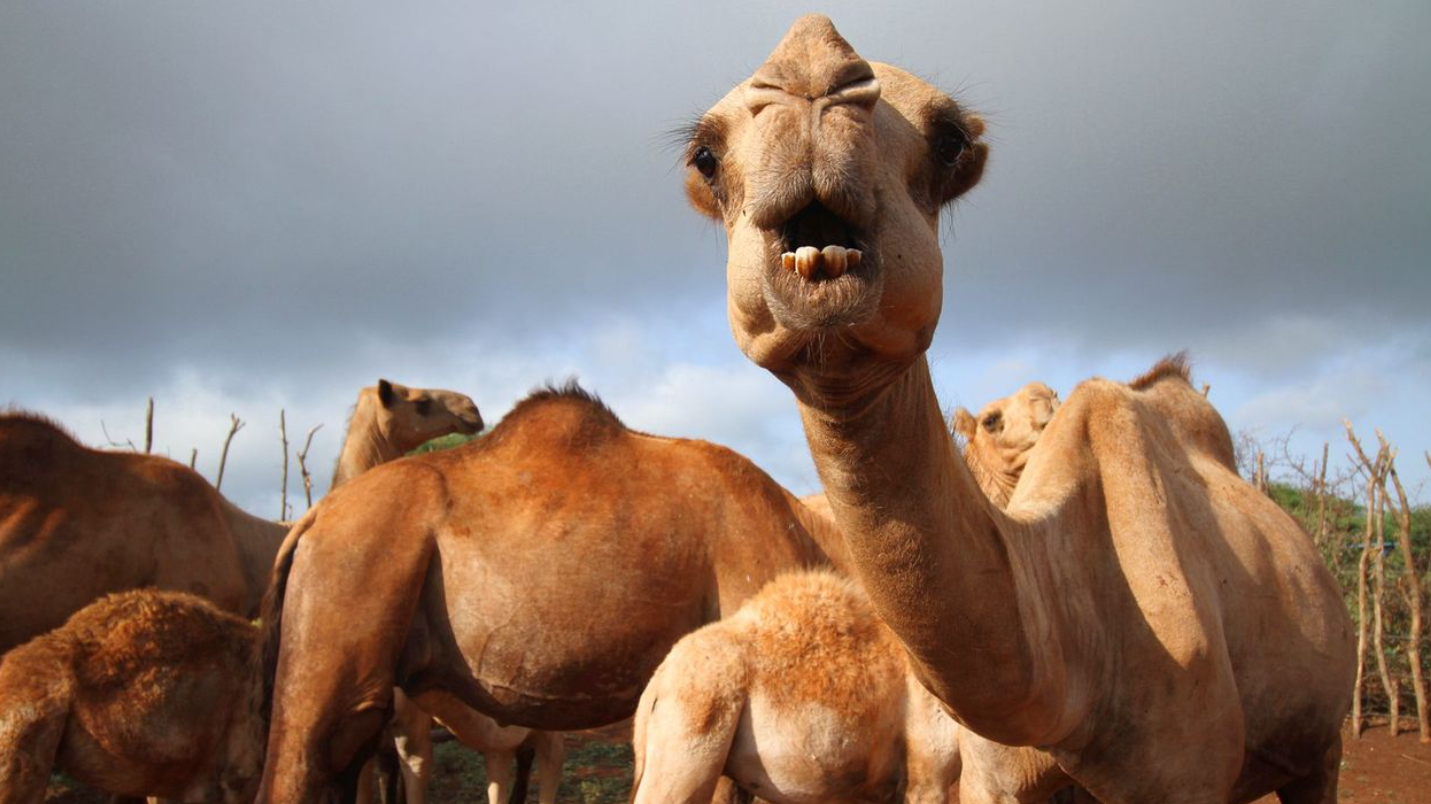

A rapidly spreading viral disease is wreaking havoc on camels in Punjab’s Kot Sabzal area of Sadiqabad. Local herders are growing increasingly concerned as the infection continues to claim camel lives across the region.
Reports indicate that at least ten camels have died so far, while many others remain in critical condition. Herdsmen have expressed fear and frustration as the disease progresses quickly and impacts their valuable livestock.
Symptoms and Progression
The illness initially shows cold-like symptoms in camels, which then escalate to high fever. In several cases, infected animals reportedly lose consciousness before succumbing to the disease. Such symptoms have heightened the anxiety among local herders, who are struggling to protect their herds.
Many livestock keepers have tried to arrange private medical care for affected camels, but despite their efforts, the death toll continues to rise. The financial losses are mounting as valuable animals die, creating severe economic challenges for local herders.
Livestock Department Response
The Livestock Department has confirmed that its teams have now arrived at the affected areas to provide treatment and support. Officials described the disease as a severe flu-like infection that causes nasal congestion and breathing difficulties in camels.
Authorities also highlighted that a similar outbreak had occurred in the Cholistan desert in 2010, stressing the need for prompt containment measures to prevent further spread.
Local Concerns
Herders have criticized the initial delay in response from authorities, stating that repeated requests for assistance were ignored. As a result, the infection spread rapidly before the Livestock Department teams could intervene.
The situation underscores the vulnerability of livestock to viral outbreaks and the importance of rapid veterinary intervention to prevent widespread losses.
Moving Forward
Authorities are urging herders to isolate sick animals and report new cases immediately. They are also working to provide medical supplies and vaccination options where possible. Preventive measures, early diagnosis, and timely treatment are essential to controlling the outbreak and protecting remaining camels.
The incident highlights the urgent need for awareness, preparedness, and support systems for livestock keepers in Punjab. With proper action, officials hope to contain the disease before it causes further economic and animal welfare damage.
