


Transit Trade
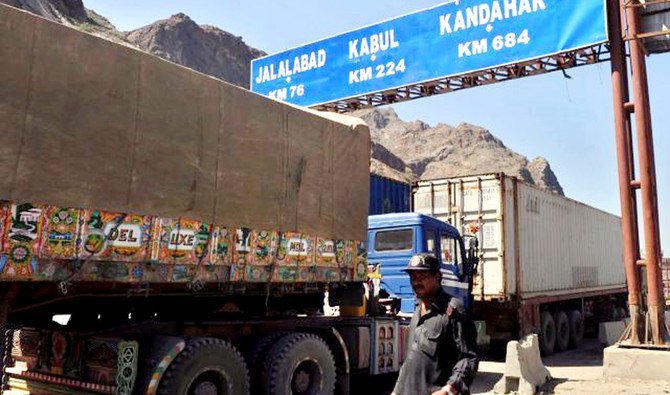
ISLAMABAD: In a bid to discourage the smuggling of important items, the caretaker government imposed a ban on the import of more than 200 items under the Afghan Transit Trade Agreement.
Tea, tires, cosmetic and household electronic appliances are among the list of items the government has banned with immediate effect.
For decades, the Afghan Transit Trade has been a source of smuggling in Pakistan. It caused a dual loss to Pakistan _ damage to local industry and loss of tax revenues.
According to an SRO of the Federal Board of Revenue, 17 types of clothes, all types of vehicle tires, tea leaves, cosmetics and dozens of toiletries have been banned.
Similarly, nuts, dry and fresh fruits, home appliances including fridges, refrigerators, air conditioners, juicer, and mixer blenders have also been banned under the ATTA.
In the past, it had been noted that many trucks loaded with the goods imported under the ATTA were sold in Pakistan.
As the caretaker government has tightened the noose around smugglers and hoarders, it banned the imports of dozens of items under the ATTA.
Meanwhile, the government has set Nov 1, 2023, the deadline for foreigners, including Afghan nationals who are living here unlawfully to leave the country.
Pakistan slaps 10% fee on ATTA goods import
Earlier, the government imposed a 10 percent processing fee on goods to be imported under the Afghan transit trade agreement.
This decision, aimed at curbing smuggling activities and ensuring proper taxation, coincides with the government’s directive instructing all illegal immigrants.
As per the Customs Department’s notification (SRO1381 of 2023), this fee on goods, equivalent to 10 percent of the ad valorem value of the goods, must be paid in advance during the declaration process for Afghan transit commercial goods entering Afghanistan via Pakistan.
The affected items encompass confectioneries, chocolates, footwear, various machinery, blankets, home textiles, and garments.
Notably, the Pakistan government will not impose fee on goods declarations filed before October 3.
Customs officials suspect that some goods, originally intended for Afghanistan, are being clandestinely redirected back into Pakistan.
Under the transit trade agreement, Pakistan retains the right to impose processing fees on cargo.
Pakistan has previously provided economic support to Afghanistan, including tax and duty exemptions on various commodities. This was done following the Taliban’s takeover of Kabul in August 2021.
Additionally, since July 6 of the previous year, the government allowed trade of all products via land routes to Kabul in Pakistani rupees.
Meanwhile, commodities like wheat, flour, sugar, and urea have been added to the essential commodities list to strengthen the legal framework.
Moreover, the jurisdiction of the Customs Act has been expanded from 5km to 10km near the borders with Afghanistan, India, and Iran, and up to 50km in specific Balochistan districts.
Govt sets Nov 1 deadline for illegal foreigners to leave Pakistan
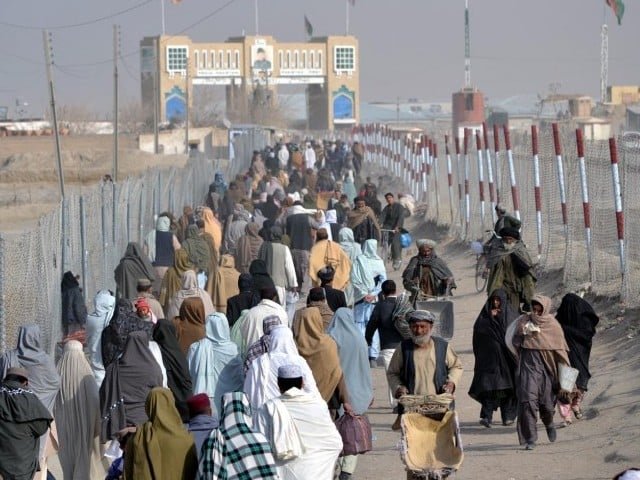
Meanwhile, on Tuesday, Interior Minister Sarfraz Bugti issued an ultimatum, stating that all illegal immigrants in the country must depart from Pakistan by November 1.
The interior minister briefing the media on the decisions taken during a meeting of the National Apex Committee. He emphasized that the welfare and security of Pakistani citizens take precedence over any foreign country or its policies.
The first significant decision made pertains to addressing the issue of illegal immigrants residing in Pakistan through unlawful means.
Interim Information Minister Murtaza Solangi separately announced that illegal immigrants now have a few weeks to leave Pakistan.
