

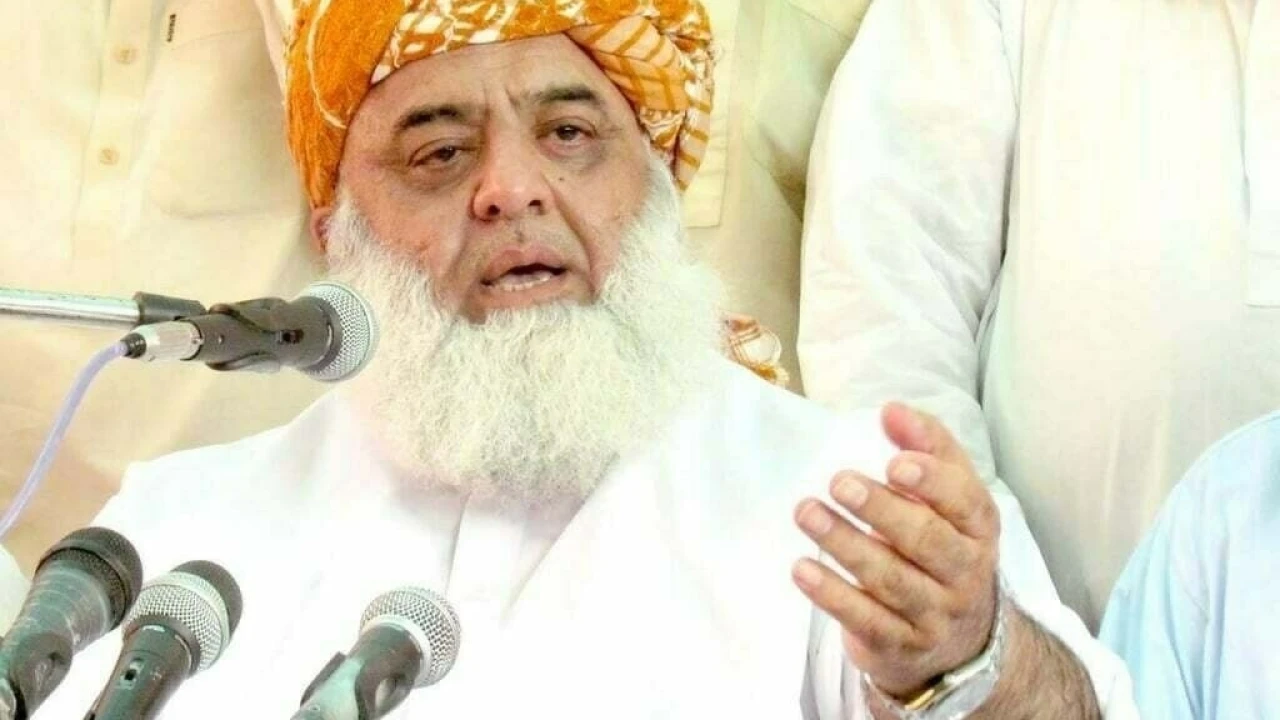

Jamiat Ulema-e-Islam-Fazl (JUI-F) chief Maulana Fazlur Rehman has offered to mediate between Pakistan and Afghanistan amid growing border tensions. His remarks come after deadly clashes between Pakistani forces and Afghan Taliban fighters left several casualties on both sides.
Addressing journalists at Islamabad’s Convention Centre, Fazlur Rehman emphasized the need for restraint and dialogue. He said he wanted to play a constructive role in easing tensions and preventing further escalation between the two neighbours.
The JUI-F leader stated that he had helped de-escalate similar situations in the past and remains in contact with Afghan leadership. “I played a role in reducing tensions between Pakistan and Afghanistan before, and I can do it again,” he remarked.
Past Efforts Toward Peace
Fazlur Rehman had previously visited Kabul in January last year, where he met senior Afghan officials, including the acting deputy prime minister, Maulvi Abdul Kabir. During that visit, Afghan authorities had assured him that their territory would not be used against any country, including Pakistan.
The JUI-F chief also held a private meeting with the Taliban’s supreme leader, Shaikh Hibatullah, during his trip. These meetings, according to him, helped build trust and open channels of communication between Islamabad and Kabul.
Call for Restraint and “Truce of Words”
Fazlur Rehman called for a “truce of words” alongside the ongoing ceasefire, urging both sides to avoid inflammatory statements that could worsen the situation. He emphasized that resolving disputes through understanding and diplomacy is the only way forward.
“We must calm the situation, not fuel hostility. Our focus should be de-escalation, not provocation,” the JUI-F leader said.
Renewed Cross-Border Clashes
However, tensions flared again soon after Fazlur Rehman’s call for calm. Security sources reported that Afghan Taliban and militants from the group “Fitna al-Khawarij” launched unprovoked fire on Pakistani positions in the Kurram district.
Pakistani forces responded swiftly and effectively, targeting the attackers’ positions with heavy retaliatory fire. Reports indicated that several Taliban posts were destroyed, and significant losses were inflicted on the militants.
A Taliban tank was also destroyed during the counter-strike, forcing the attackers to retreat. Flames and smoke were seen rising from their damaged posts along the border.
Escalation Along the Durand Line
This latest confrontation marks the second such incident in recent days. On October 11, Afghan forces had fired across multiple border points, including Angoor Adda, Bajaur, and Kurram. Similar attacks were also reported in Chitral, Dir, and Baramcha.
Pakistan’s military responded with precision strikes, destroying Taliban posts and terrorist hideouts along the border. Over 200 Taliban fighters and affiliated militants were reportedly killed during the counteroffensive.
The Pakistan Army confirmed that its operations targeted camps and facilities used for planning attacks against Pakistan. More than 20 Taliban posts were temporarily captured and several terrorist training sites dismantled.
Path Toward Peace
Despite the continued hostilities, Fazlur Rehman insists that dialogue remains the only sustainable path forward. He expressed hope that both nations will prioritize peace and cooperation instead of confrontation.
Analysts say his mediation offer could help open communication channels if both sides agree to engage in meaningful talks. As border tensions threaten regional stability, voices like Fazlur Rehman’s—calling for calm and understanding—may prove vital in preventing further escalation.
