


FBR
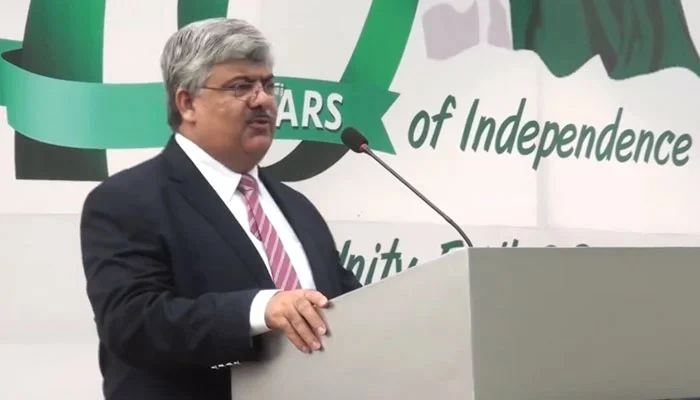
KARACHI: Amid growing controversy, Rashid Langrial, Chairman of the Federal Board of Revenue (FBR), has defended the proposed purchase of vehicles for young officers, asserting that it is essential for the department’s operations.
His remarks came just days after the Senate Standing Committee on Finance and Revenue directed the FBR to halt its plan to procure 1,010 vehicles, a purchase estimated to cost over Rs 6 billion.
In his defense, Langrial emphasized the necessity of vehicles for field officers who are responsible for duties such as sales tax inspections. He explained, “With due respect, we have given a satisfactory reply to the committee’s objection,” highlighting that officers’ visits to businesses for tax inspections could not be conducted without adequate transportation.
When questioned about meeting the FBR’s tax targets, Langrial acknowledged the uncertainty but expressed confidence that the FBR would achieve its financial goals.
The Senate’s finance committee, chaired by Senator Saleem Mandviwalla, had raised concerns over the scale and timing of the proposed vehicle purchase.
During a meeting on January 22, the committee questioned why the FBR required over a thousand vehicles and whether field officers had previously been collecting taxes on bicycles.
The committee members raised alarms, calling the purchase “shady” and suggesting it could be a way to facilitate corruption.
Senator Mandviwalla also expressed concerns in a letter, pointing out the exclusion of competitors from the bidding process and questioning the transparency of the procurement.
In response to the committee’s reservations, Finance Minister Muhammad Aurangzeb assured that transparency would be maintained throughout the procurement process.
He stated that it was crucial for FBR officials to have vehicles in order to effectively carry out their duties in the field, emphasizing that they could not perform their responsibilities by simply staying in offices.
The procurement is scheduled to take place in phases, with the first batch of 75 vehicles to be delivered in January, followed by 200 in February, 225 in March, and the remaining vehicles in two phases by May.
However, the controversy surrounding the procurement process continues to raise questions about its transparency and adherence to government procurement policies.
Langrial also addressed a query about Karachi’s high tax collection despite low infrastructure spending. He explained that the large contribution to tax revenue from Karachi was due to the presence of major national and multinational companies headquartered there.
He clarified that the allocation of financial affairs between federal and provincial governments is governed by the principles of federalism and the constitution.
The dispute over the FBR’s vehicle procurement plan highlights ongoing concerns regarding transparency, governance, and the use of public funds.
