

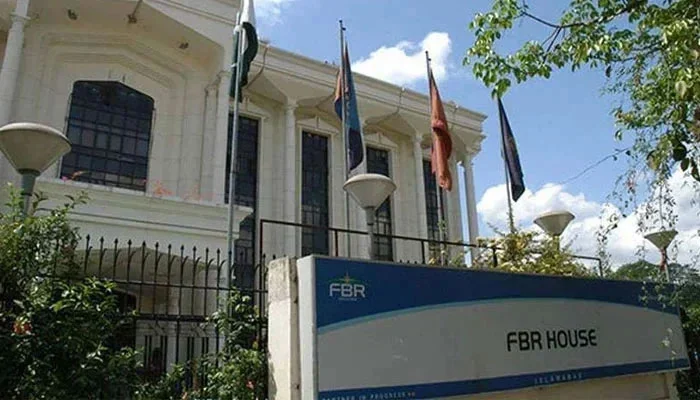

FBR
The Federal Board of Revenue (FBR) has temporarily halted its plan to procure 1,010 new vehicles following objections raised by the Senate Standing Committee on Finance and Revenue.
The procurement, estimated to cost Rs6 billion, was put on hold to allow for further analysis by the Public Procurement Regulatory Authority (PPRA) in an effort to address transparency concerns.
FBR Chairman Rashid Langrial confirmed on Thursday that the proposal would be reviewed by the PPRA before any purchases were made. This step, he stated, was intended to build confidence among lawmakers and ensure compliance with proper procurement regulations.
The controversy began last week when the Senate Standing Committee on Finance instructed the FBR to suspend its vehicle purchase plan. Lawmakers questioned the necessity and transparency of such a large-scale acquisition, especially at a time when Pakistan faces significant economic challenges.
The committee, reaching a consensus during its January 23 meeting, also decided to formally appeal to Prime Minister Shehbaz Sharif and Finance Minister Mohammad Aurangzeb to intervene and block the purchase.
Notably, no senior FBR officials, including the chairman or board members, attended last week’s crucial committee meeting. Instead, only the chief administrator was present to defend the decision.
During the discussion, an FBR representative argued that the procurement had received prior approval from the Economic Coordination Committee (ECC) months ago and had followed standard protocols, including market surveys and committee clearances.
Despite these assurances, committee chairman Senator Saleem Mandviwalla expressed serious concerns about the FBR’s justification for the expenditure.
He criticized the tax authority’s internal performance assessment and reward mechanisms, calling for greater accountability and transparency in the procurement process.
FBR Chairman Langrial, in a separate statement earlier this week, defended the necessity of acquiring new vehicles, particularly for younger officers. He insisted that the purchase was crucial for operational efficiency and would ultimately improve the department’s ability to perform its duties effectively.
However, the situation took a more serious turn when Senator Faisal Vawda, a member of the Senate finance committee, alleged that he had received death threats from three FBR officers over his objections to what he described as a “non-transparent” procurement plan.
Vawda’s claims have further fueled concerns over potential misconduct within the FBR. Committee chairman Mandviwalla also reported receiving similar threatening messages, adding to the growing apprehension surrounding the issue.
The scandal has now escalated beyond the procurement itself, with lawmakers demanding accountability and reforms within the FBR. The tax authority is already under pressure due to its struggle to meet revenue collection targets for the 2025 fiscal year, making the controversy even more significant.
As the debate over the halted vehicle procurement continues, questions remain about the FBR’s financial priorities, transparency in government spending, and the safety of lawmakers who challenge powerful institutions. With calls for an independent review of the procurement process and the alleged threats, the matter is likely to remain in the spotlight in the coming weeks.
