

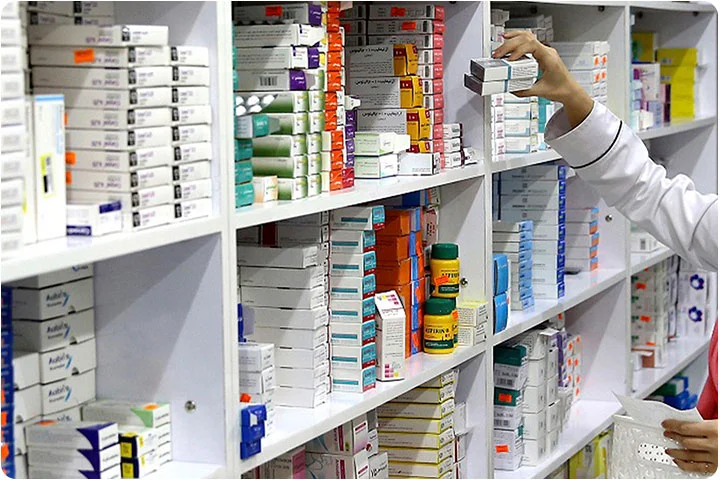

Pakistan’s pharmaceutical landscape has undergone significant change over the past three years as five major multinational pharmaceutical companies have either exited or shut down their local manufacturing operations. This development was formally disclosed to the National Assembly on Friday by Federal Health Minister Syed Mustafa Kamal, who clarified that although the companies have divested their assets, manufacturing activities continue under new local ownership to avoid any disruption in the supply of essential medicines.
Among the multinational corporations that have withdrawn manufacturing operations are Bayer, ICI Pakistan, Sanofi-Aventis, Pfizer, and Novartis. Their exits mark a notable strategic transition in Pakistan’s pharmaceutical sector, which has long depended on a blend of international expertise and domestic production capacity.
Multinational Divestments Mark a Strategic Shift
While briefing the assembly, Health Minister Kamal emphasized that these divestments do not equate to an outright shutdown of production. Rather, the companies have strategically transferred ownership of their facilities to Pakistani firms. As a result, operations remain functional, ensuring continuity in production and availability of essential drugs across the country.
The facilities affected by the exits include:
-
Bayer’s manufacturing unit in Lahore
-
ICI Pakistan’s multi-city pharmaceutical operations
-
Sanofi’s industrial plant in Karachi’s Korangi area
-
Pfizer’s manufacturing site in the S.I.T.E. industrial zone, Karachi
-
Novartis’ production facility at West Wharf, Karachi
Despite the size and influence of these companies, the government was not provided with detailed explanations for why the multinational giants chose to divest. However, the health minister described the situation as a “strategic shift” in their global and regional business priorities, not reflective of local production capability.
Local Firms Take Over to Maintain Drug Availability
With the transfer of these facilities to domestic companies, Pakistan’s pharmaceutical industry is expected to continue operating without major supply interruptions. The minister assured the assembly that domestic manufacturers are now responsible for keeping essential medicines available and maintaining production standards.
The government is closely monitoring the transition to ensure that quality, pricing, and availability remain unaffected despite the withdrawal of international players. The move has also triggered renewed discussion within the sector about investment challenges, regulatory pressures, currency volatility, and operating costs that may have influenced the multinational exits.
