

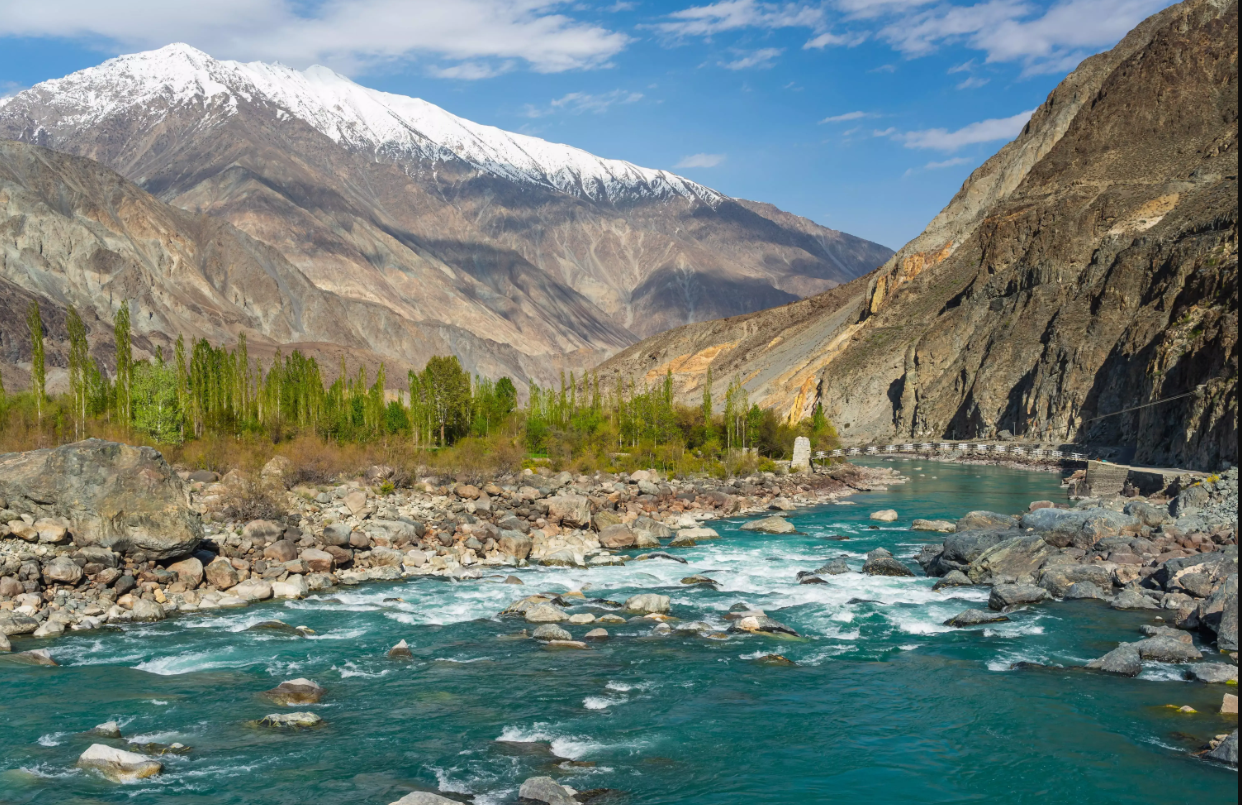

Tourism in Gilgit-Baltistan has witnessed an unprecedented collapse in 2025. Both domestic and foreign arrivals have declined by nearly 90 percent due to a combination of climate disasters, geopolitical conflicts, and economic challenges. This downturn has dealt a severe blow to the livelihoods of communities that rely heavily on tourism for survival.
Sharp Decline in International Climbers
Officials reported that only 270 international climbers arrived in Gilgit-Baltistan this year. Last year, more than 2,000 foreign climbers and trekkers visited the region. Mountaineers targeted peaks such as K2, Broad Peak, Gasherbrum-I, Gasherbrum-II, and Nanga Parbat. However, most expeditions ended unsuccessfully.
Extreme weather conditions, including avalanches, high winds, and rockfalls, forced many climbers to abandon their attempts. As a result, only 40 climbers summited K2, 25 reached Nanga Parbat, and around a dozen successfully climbed Gasherbrum-I.
Domestic and Foreign Tourism Faces Historic Collapse
Last year, Gilgit-Baltistan welcomed nearly one million domestic tourists along with 24,000 foreign visitors without permits. This year, however, tourist arrivals dropped sharply by 90 percent. Officials described the situation as alarming, as the region has never before faced such a steep collapse in tourism.
Multiple Factors Behind the Decline
Industry experts believe several issues contributed to the crisis. A dispute between the tourism department and tour operators over increased permit fees discouraged foreign climbers. In addition, global conflicts, including tensions between Iran and Israel and strained relations between Pakistan and India, deterred travelers.
Unpredictable weather conditions in the mountains further reduced the success rate of expeditions, making the region less appealing for adventurers. Many climbers and trekkers canceled their trips altogether.
Local Communities Suffer Financial Losses
The tourism season in Gilgit-Baltistan typically runs from May to October. However, local shopkeepers and service providers say this year’s season has been the worst in memory. A tea stall owner along the Karakoram Highway reported going entire days without customers, leaving him unable to support his family.
Hotel owners, transport operators, porters, and shopkeepers all face severe financial strain. Businesses dependent on tourism, such as handicraft outlets, have also been hit hard.
One business owner, who invested heavily in his textile and handicrafts shop, said he now struggles to pay rent and salaries. He emphasized that the economic ripple effect of tourism’s collapse is devastating families across Gilgit-Baltistan.
Urgent Need for Recovery Measures
The steep drop in tourism underscores the urgent need for policy reforms, better infrastructure, and climate resilience planning. Without immediate interventions, the livelihoods of thousands of families in Gilgit-Baltistan remain at risk. Stakeholders argue that international marketing campaigns, reduced permit costs, and sustainable tourism policies could help revive interest in the region.
