

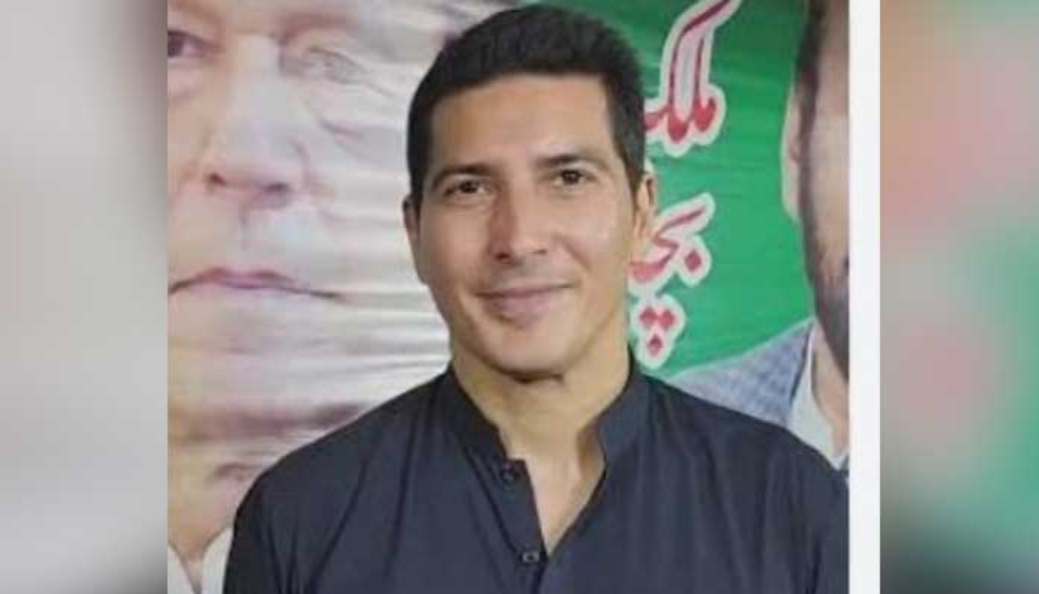

An anti-terrorism court (ATC) in Lahore has granted police a five-day physical remand of Shershah Khan, the nephew of former prime minister and PTI founder Imran Khan. Shershah, son of Imran’s sister Aleema Khan, was arrested from outside his residence on Friday in connection with the May 9, 2023 Jinnah House attack.
His brother, Shahrez Khan, had been detained a day earlier and was handed over to police on an eight-day remand. Both siblings face allegations of participating in violent protests following Imran Khan’s arrest in 2023.
During Saturday’s proceedings, ATC Judge Manzer Ali Gill heard arguments from both sides. Prosecutors sought a 30-day physical remand, citing the need to recover social media accounts and evidence, while the defense called for Shershah’s immediate discharge, arguing that the arrest was delayed by over two years. The judge ultimately allowed five days of custody.
Allegations and Defense Arguments
Prosecutors claimed that Shershah was present at the crime scene, that a weapon was used during the vandalism, and that he was captured in a video linked to the incident. They argued that further investigation and evidence collection were necessary.
Defense counsel Salman Akram Raja rejected these claims, stressing that the arrest occurred 27 months after the incident. He contended that video evidence carried no weight without testimony from its recorder. He further noted that Shershah had appeared in court voluntarily the day before his arrest, questioning why the police delayed action for more than two years.
Advocate Rana Mudassir, representing Aleema Khan, highlighted that Shershah was detained while returning from his brother’s court hearing. He urged the court to dismiss the case, arguing that the charges mirrored those against Shahrez.
Family’s Reaction to the Arrests
Aleema Khan, addressing reporters outside the court, denounced the arrests as politically motivated. She asserted that her sons had committed no crime and were being targeted solely because of their family ties to Imran Khan.
“This is about pressuring Imran Khan and his family,” she said. “But we are not bowing down. This is every Pakistani’s fight for freedom and justice, and we stand by Imran Khan.”
Imran’s son, Kasim Khan, also condemned the detentions, describing them as “blatant state repression.” He emphasized that the arrests highlighted the ongoing pressure on political opponents.
HRCP Expresses Alarm
The Human Rights Commission of Pakistan (HRCP) voiced serious concern over the arrests of Imran Khan’s nephews. In a statement, the commission questioned the timing of the detentions, noting that trials of other accused individuals had already concluded.
HRCP warned that such actions signaled further erosion of civil rights, criticizing the policing and legal system’s handling of political cases. It urged authorities to ensure transparency, fairness, and strict adherence to the rule of law.
Government’s Position
Minister of State for Interior Tallal Chaudhry defended the arrests, dismissing claims that they were fabricated or politically motivated. He insisted that both Shershah and Shahrez were present at the Jinnah House attack and should face due process.
Broader Context of May 9 Events
The arrests are part of the state’s ongoing response to the May 9, 2023 unrest, when violent demonstrations erupted across the country after Imran Khan’s detention. Protesters vandalized military installations, government buildings, and the Lahore corps commander’s residence.
Following the unrest, authorities launched a large-scale crackdown against PTI, leading to thousands of arrests and multiple convictions of party leaders. Many were subsequently disqualified from holding parliamentary positions.
With Shershah now in five-day custody and Shahrez facing an eight-day remand, the arrests have reignited debate over human rights, political accountability, and the rule of law in Pakistan. While the government defends the legal basis of these detentions, rights groups and the family of Imran Khan argue they represent political victimization.
