


Military Failures
Following a series of humiliating battlefield setbacks against Pakistan, Indian Prime Minister Narendra Modi has drawn international concern after issuing a direct and aggressive threat toward the people of Pakistan.
During a political rally in Gujarat, Modi warned Pakistani civilians to choose peace with India or face violent consequences—a statement that many observers have condemned as provocative and dangerously inflammatory.
The context for Modi’s remarks is critical. In early May, India suffered significant military losses during a confrontation with Pakistan.
Among the most notable blows was the confirmed destruction of six Indian Air Force aircraft, including three of the highly prized Rafale fighter jets—seen as a symbol of India’s air power modernization. The losses have triggered intense criticism of Modi’s military leadership and handling of regional tensions.
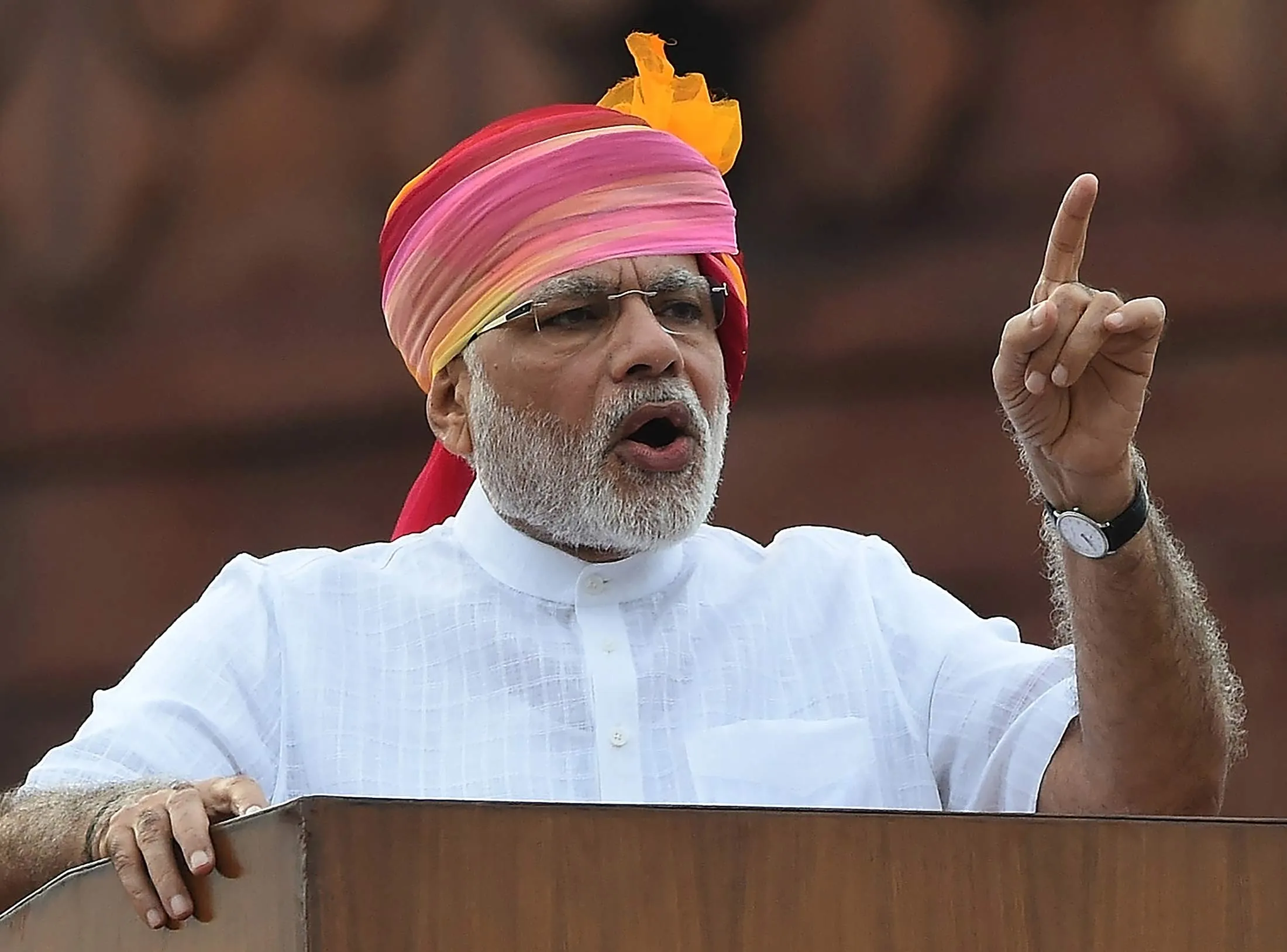
Speaking before a crowd of supporters in his home state, Modi’s frustration over these defeats was apparent. Addressing Pakistan’s civilian population directly, he stated, “To rid Pakistan of the disease of terrorism, the people of Pakistan must step forward. The youth of Pakistan must come forward. Live a life of peace, eat your bread in comfort, or else, my bullet is there.” His remarks—“sukh chain ki zindagi jiyo, roti khao, warna meri goli to hai hi”—were delivered in Hindi and received loud applause from the audience. However, the underlying message, interpreted as a threat of violence against civilians, has caused a diplomatic uproar.
Indian news agency ANI circulated footage of the speech, prompting immediate backlash from Pakistani media figures and commentators. Many accused Modi of discarding diplomatic norms and openly violating principles of international law by suggesting collective punishment of a civilian population.
This rhetoric follows an earlier deadly event on May 7, when Indian forces launched an attack that killed at least 40 Pakistani civilians. India claimed the victims were terrorists. However, Modi’s latest comments have cast doubt on that assertion, implying that civilian suffering may have been intentional—a move that could constitute a war crime under international law.
Pakistan responded to the May 7 attack by launching a retaliatory missile strike on May 10, targeting 26 Indian military installations. The scale and precision of the response stunned Indian officials. Colonel Sofia, an Indian military spokesperson, acknowledged the Pakistani assault during a press briefing and expressed India’s willingness to consider de-escalation.
Later the same day, U.S. President Donald Trump intervened and announced a ceasefire agreement between the two nuclear-armed nations. While the ceasefire may have temporarily paused hostilities, Modi’s belligerent tone has raised serious questions about his government’s commitment to peace and restraint.
The escalation and Modi’s incendiary remarks have not only heightened tensions in South Asia but have also placed India’s leadership under international scrutiny for its approach toward regional stability and civilian protection.
