


Sindh is preparing for a significant flood event at Guddu Barrage between September 1 and 3. The surge is expected as massive inflows from Punjab’s eastern rivers — the Chenab, Ravi, and Sutlej — converge into the Indus. Authorities have warned that the flood peak may reach between 650,000 and 700,000 cusecs, raising concerns for downstream areas.
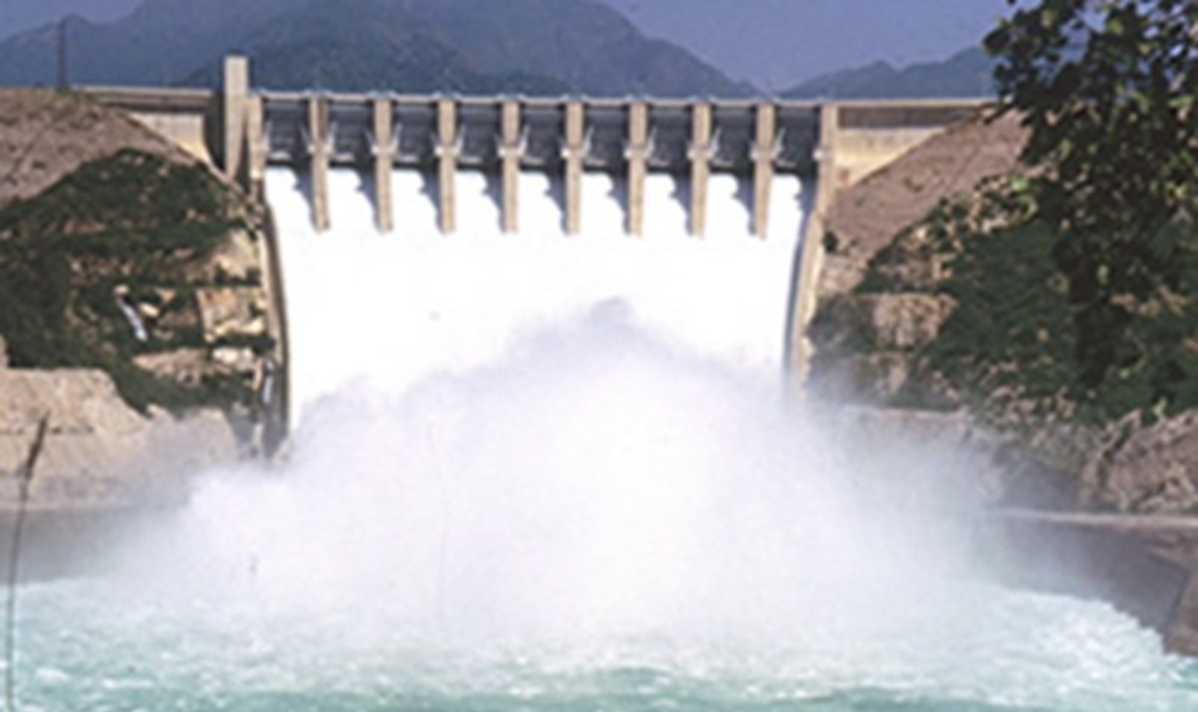
To manage the looming crisis, Sindh requested the Indus River System Authority (Irsa) to reduce Tarbela Dam outflows and retain water at Chashma Barrage. Irsa has agreed, temporarily cutting Tarbela’s discharge.
Flows from Punjab rivers increase flood risk
According to Sindh’s irrigation officials, water from the Chenab, Ravi, and Sutlej joins the Indus after Panjnad Barrage. Once these flows reach Mithankot, the pressure shifts toward Sindh’s barrages, beginning with Guddu.
Sindh’s irrigation minister explained that predicting exact inflows remains difficult due to changing rainfall patterns. However, full preparations are underway, with staff deployed along dykes and embankments.
The irrigation secretary compared the situation with 2014, when Chenab carried 947,000 cusecs at Khanki Barrage, causing downstream flooding. This year, Guddu has already passed 510,798 cusecs on August 24, with upstream discharge recorded at 335,196 cusecs on Wednesday.
Tarbela Dam operations adjusted
Tarbela Dam reached its maximum conservation level of 1,550 feet on August 21. By Wednesday evening, Irsa had increased Tarbela’s discharge to 256,200 cusecs, up from 154,500 cusecs in the morning. This additional release, combined with Kabul River flows, is expected to reach Sindh within days.
However, at Sindh’s request, Irsa reduced Tarbela outflows later that night to about 155,000 cusecs. Officials confirmed that Tarbela’s level could be maintained slightly above its maximum, up to 1,550.3 feet, to accommodate the temporary storage.
Expected flood levels at Guddu Barrage
Irsa’s operations director noted that no major backflows were reported from Chenab tributaries, including Palkhu, Basantpur, and Bhimber. Yet, he warned that Guddu may still face a flood peak of around 650,000 cusecs, lasting five to six hours.
Authorities are working to ensure that discharge at Guddu remains under 600,000 cusecs to prevent large-scale damage. Meanwhile, Sindh’s irrigation teams continue monitoring flood patterns while preparing for possible breaches or high-risk areas.
Preparedness measures
Sindh has reinforced its embankments and mobilized irrigation staff along vulnerable stretches of the Indus. Emergency teams are stationed near Guddu to respond swiftly if water levels rise beyond safe limits. Officials emphasized that coordination with Irsa remains crucial in balancing upstream storage with downstream safety.
The situation underscores the fragility of flood management in Pakistan, where heavy rains, upstream releases, and river surges combine to create unpredictable risks. With floodwaters moving steadily downstream, Sindh remains on high alert as it braces for one of the largest surges of the season.
