

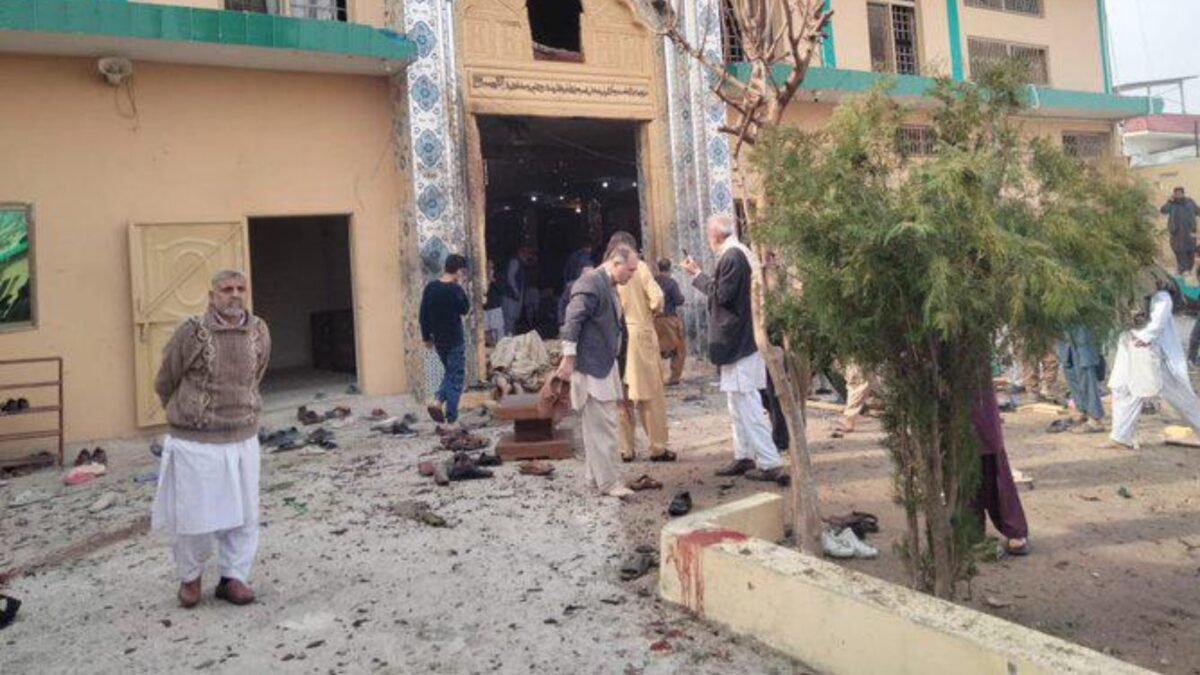

Interior Minister Mohsin Naqvi confirmed that the mastermind behind the Islamabad suicide blast, linked to the banned Daesh, is in Pakistan’s custody. Authorities have also arrested the attacker’s facilitators in coordinated raids.
The arrests were carried out in Khyber Pakhtunkhwa’s Peshawar and Nowshera districts immediately following the deadly attack. The operation was conducted jointly by the Counter Terrorism Department (CTD) and other law enforcement agencies.
Details of the Islamabad Attack
The suicide bombing occurred on Friday at an imambargah in Islamabad’s Tarlai area during prayers. At least 33 people were martyred and dozens were injured. The attacker opened fire at the entrance before detonating explosives, causing widespread casualties.
Interior Minister Naqvi highlighted that a KP policeman was martyred and several others were injured during the operations to apprehend suspects.
India’s Alleged Role in Terror Funding
Naqvi stated that terrorist groups, including Daesh, receive full funding from India. He added that India also provides specific targets for attacks inside Pakistan. Payments to militants have reportedly increased from $500 to $1,500 per operative after India’s alleged defeat in May.
The minister emphasized that Pakistan will combat terrorism regardless of any increase in budgets or resources by hostile actors.
Training and Planning in Afghanistan
Investigations revealed that the attacker was trained and prepared in Afghanistan before entering Pakistan. Authorities collected evidence demonstrating the planning, recruitment, and operational support for the Islamabad attack. Naqvi stressed that all militants should be treated equally, warning against categorizing enemies selectively.
“Enemy is enemy. Those fighting against Pakistan must be confronted, and consequences will be severe if the world remains silent,” he said.
Social Media Monitoring and Security Measures
The interior minister also confirmed that social media platforms were notified to shut down accounts used by terrorists. He warned that if platforms fail to act, alternative measures would be pursued to block extremist communications.
The government’s actions reflect ongoing efforts to strengthen national security and counter terror networks operating inside Pakistan.
