


ISLAMABAD: The Supreme Court of Pakistan has clarified that judicial remarks—whether critical or complimentary—should not be treated as binding or final in any future legal proceedings.
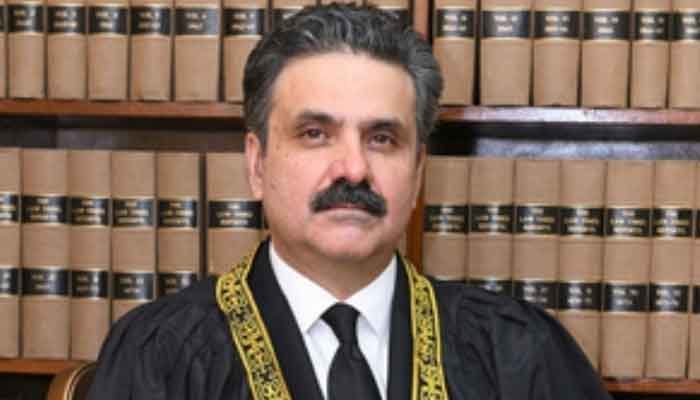
The clarification came through a written judgment authored by Chief Justice Yahya Afridi, in which the apex court dismissed a petition filed by the Punjab Government. The petition had sought the transfer of cases related to the May 9 incidents to a different judge.
According to the ruling, observations made by the Chief Justice of the Lahore High Court concerning the conduct of state officials fall within the realm of administrative jurisdiction. However, the court specified that any personal comments made in that context will not influence or shape outcomes in subsequent judicial matters.
The Supreme Court upheld the administrative decisions made by former Lahore High Court Chief Justice Malik Shahzad, noting that under Article 203 of the Constitution, a provincial chief justice is empowered to shield judicial officers from undue administrative interference. It reiterated the constitutional role of the chief justice as the head of the judiciary within their province.
The verdict also highlighted that ignoring complaints raised by judicial officers would amount to a dereliction of constitutional duty by a chief justice.
Regarding the Punjab Government’s reference against an Anti-Terrorism Court (ATC) judge, Ijaz Asif, the court found no credible evidence to support claims of bias. The administrative judge had rightly dismissed the reference, and the Supreme Court concurred with the Lahore High Court’s decision to deny the request for a case transfer.
Importantly, the judgment emphasized that commendation does not place a judicial officer above accountability, nor does criticism alone undermine their integrity or credibility.
With this ruling, the Supreme Court has reaffirmed the independence of the judiciary and clarified the limited legal weight of personal judicial remarks in shaping future proceedings.
