

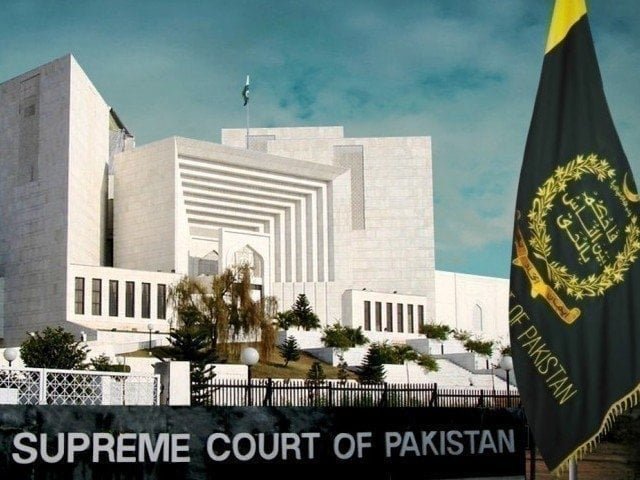

Judicial Commission
The Judicial Commission of Pakistan (JCP) convened a crucial meeting under the chairmanship of Chief Justice Yahya Afridi, with nine members in attendance.
However, the meeting was marred by controversy as two Supreme Court judges and two Pakistan Tehreek-e-Insaf (PTI) representatives boycotted the proceedings. Despite the disagreements, the commission approved the appointment of five new judges to the Supreme Court of Pakistan.
The newly appointed judges include Islamabad High Court (IHC) Chief Justice Aamer Farooq, Sindh High Court Chief Justice Shafi Siddiqui, Justice Salahuddin Panhwar, Balochistan High Court Chief Justice Hashim Khan Kakar, and Peshawar High Court Justice Shakeel Ahmed.
Additionally, Justice Miangul Hassan Aurangzeb has been appointed as an ad-hoc judge of the Supreme Court under Article 181 of the Constitution. Sources reveal that his appointment is specifically aimed at handling tax-related cases.
However, the appointment process has not been without controversy. The ongoing disputes over judicial seniority have led to significant divisions within the judiciary.
The JCP had initially considered appointing eight new judges, and the meeting was scheduled to deliberate on these nominations. The controversy intensified when four senior Supreme Court judges—Justice Mansoor Ali Shah, Justice Munib Akhtar, Justice Ayesha Malik, and Justice Athar Minallah—wrote to Chief Justice Yahya Afridi, urging him to delay the appointments.
They argued that a full court might be required for an upcoming case concerning the 26th Constitutional Amendment, and the appointment of new judges at this juncture could complicate the court’s composition.
Moreover, the judges raised a constitutional issue regarding the transfer of three Islamabad High Court judges. They contended that the judges, upon their transfer, should have taken a fresh oath, which did not occur, thereby raising questions about their judicial status.
Amid these concerns, Justice Mansoor Ali Shah and Justice Munib Akhtar boycotted the JCP meeting, also submitting a formal letter requesting an adjournment.
In addition to judicial dissent, political representatives also voiced their concerns. PTI representatives Barrister Gohar and Ali Zafar opposed the meeting’s proceedings and protested the appointments.
Their protest was officially recorded in the meeting minutes before they exited in opposition. Separately, Senator Ali Zafar also wrote to Chief Justice Yahya Afridi, emphasizing the need to delay the meeting until the seniority disputes were resolved.
Despite the controversies and objections, the Judicial Commission proceeded with the appointments, aiming to complete the Supreme Court’s bench and enhance judicial efficiency.
The final confirmation of these appointments now rests with the President of Pakistan. The outcome of this process will shape the future of Pakistan’s judiciary, determining whether the seniority disputes and internal divisions can be reconciled in the coming weeks.
