

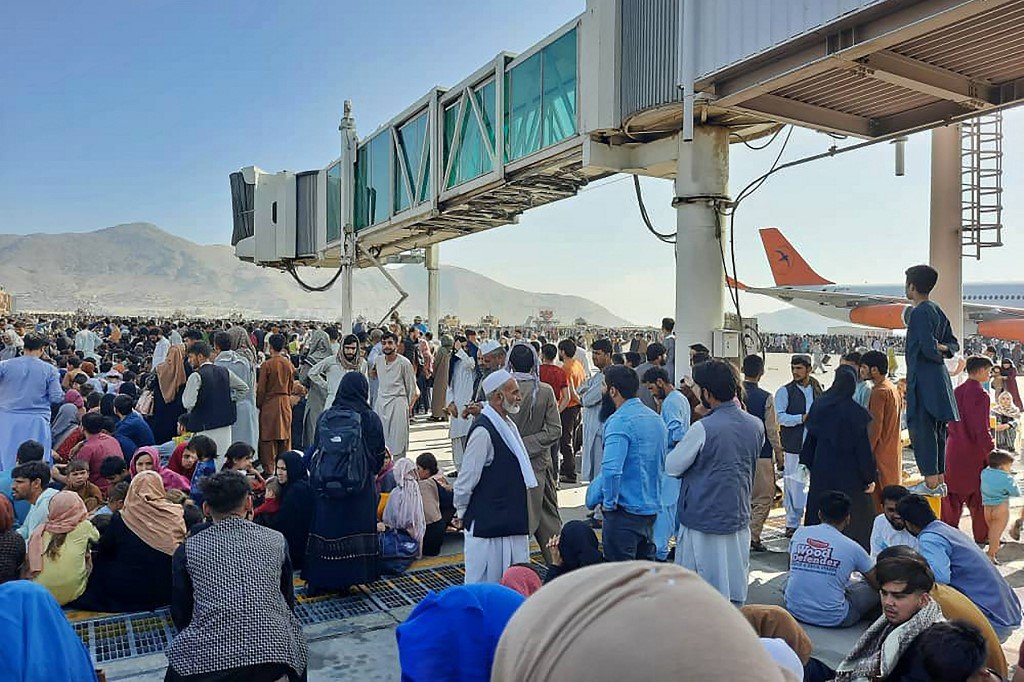

According to the Interior Ministry, all illegal foreigners and ACC holders were instructed to leave Pakistan voluntarily by March 31, 2025. Deportation efforts began on April 1 under the Illegal Foreigners Repatriation Plan (IFRP). The Sindh government was directed to implement the repatriation process for ACC holders following an order issued on February 13.
The Sindh Home Department has set up a control room to oversee operations, with designated holding facilities in Karachi and Jacobabad and a transit point in Sakrand, Shaheed Benazirabad. The primary repatriation center is located at Ameen House in Karachi’s Keamari area.
South Deputy Inspector General (DIG) Syed Asad Raza reported that 162 ACC holders were transferred to the holding facility. Some were released after verification as Proof of Registration (POR) cardholders. So far, 242 Afghans have been processed for deportation.
A mapping exercise by law enforcement agencies identified 16,138 ACC holders residing in Karachi, with the majority concentrated in the East and West districts. The breakdown of ACC holders by district includes:
- East: 11,233
- West: 2,792
- Korangi: 910
- Malir: 396
- Central: 406
- Keamari: 203
- South: 120
- City: 78
Keamari Senior Superintendent of Police (SSP) Faizan Ali visited the Ameen House repatriation facility to oversee the process. He assured that deportees would receive necessary arrangements for transportation, food, and healthcare while ensuring their return with dignity and security.
However, human rights advocates have raised concerns over the treatment of Afghan migrants. Lawyer Moniza Kakar, a founding member of the Joint Action Committee for Refugees (JAC), claimed that 500-600 Afghans have been detained in various areas of Karachi, alleging incidents of harassment and bribery by law enforcement. She stated that Afghans are avoiding work out of fear of detention.
Kakar noted that Pakistan hosts approximately 850,000 ACC holders, of whom 70,000 reside in Karachi. Legal challenges against the deportation process have been filed in Islamabad, Peshawar, Quetta, and Rawalpindi, with similar petitions planned for Sindh.
Amnesty International has launched the Undo the Deadline campaign against what it describes as the unlawful deportation of Afghan nationals. The organization released a report titled “Treat Us Like Human Beings”: Afghans in Pakistan at Risk of Unlawful Deportation, highlighting the plight of Afghan migrants, refugees, and asylum seekers who fear returning to Taliban-ruled Afghanistan.
Babu Ram Pant, Amnesty’s Deputy Regional Director for South Asia, criticized Pakistan’s repatriation policy, citing violations of international human rights law, particularly the principle of non-refoulement. He warned that vulnerable groups—including Afghan women, journalists, human rights defenders, artists, and former government officials—face serious risks if deported.
Pakistan initiated the IFRP on November 1, 2023, and has since expelled over 700,000 undocumented Afghans. Afghan officials have requested additional time to manage the large number of returning individuals, with Acting Afghan Foreign Minister Amir Khan Muttaqi urging Pakistani authorities to reconsider the timeline during a meeting in Kabul on March 22.
