


Warning System
The impact of climate change, notably evident in last year’s devastating floods, poses significant challenges for Pakistan, especially in regions like Khyber Pakhtunkhwa (KP). Swat, a picturesque area known for its tourism spots like Kalam and Paloga, faced substantial damage. Paloga, spanning approximately 2000 kanals, relies on agriculture and tourism for livelihoods.
Malak Fareed Ullah, former UC Chairman Kalam, highlighted the vulnerability of Paloga, emphasizing the severe consequences of floods on both agriculture and tourism. The economic repercussions were felt as the region, dependent on tourism, saw a sharp decline in activities following the floods.
To address the recurring threats, the United Nations Development Program initiated the “Glacier Lake Outburst Flooding 2 (GLOF2)” program in Kalam in 2017. The project aims to build protective infrastructure, including a wall in Paloga and safe havens to shelter locals during floods.
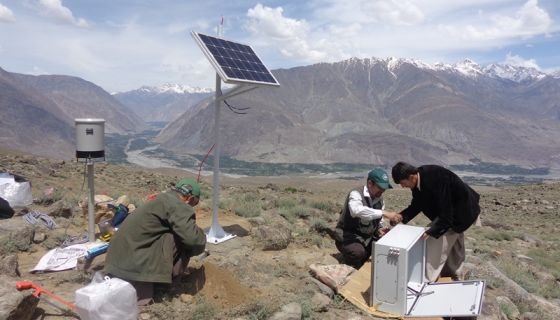
Crucially, the GLOF2 Project incorporates the installation of an early warning system, strategically positioned at both high and low altitudes. The system encompasses elements like rain gauges, river level gauges, automatic weather stations, and warning posts. In flood scenarios, the higher-altitude system will trigger alerts to communities in lower areas and the Pakistan Meteorological Department, facilitating timely evacuations to safe havens.
Rashid Khan, a development practitioner, outlined the expansion of the early warning system to five districts in KP, namely Utror in Swat, Kumrat in Upper Dir, Kandia in Upper Kohistan, Reshun in Upper Chitral, and Arkari in Lower Chitral.
The urgency of such initiatives stems from the accelerated melting of glaciers in Pakistan’s northern mountain ranges due to rising temperatures. The GLOF risk reduction projects, including GLOF-II, underscore the proactive efforts to mitigate hazards and protect vulnerable mountain communities in Northern Pakistan. The installation of early warning systems represents a crucial step in enhancing resilience against the escalating threats posed by climate change in these regions.
