


NATO leaders have pledged to provide Ukraine with at least $43 billion in military aid within the next year to bolster its defenses against Russia and have formally declared Kyiv on an “irreversible path” to membership in the Western military alliance.
These pledges were included in a final communique following a NATO summit in Washington, DC, on Wednesday, where the alliance’s members also announced individual and joint measures to enhance the security of Ukraine and Europe.
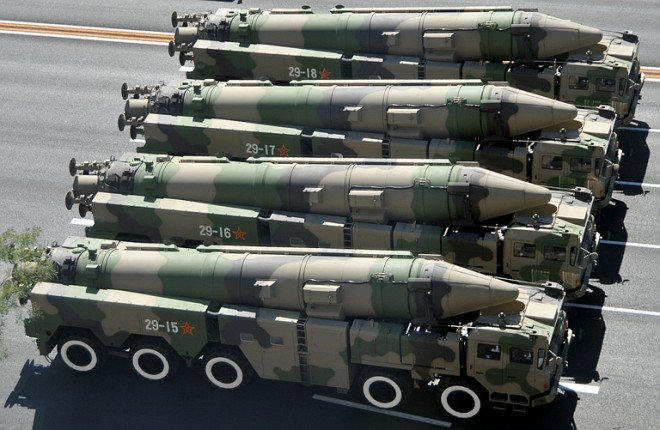
This includes the United States, the Netherlands, and Denmark announcing that the first NATO-provided F-16 fighter jets would be in the hands of Ukrainian military pilots by this summer. The US also stated it will deploy longer-range missiles in Germany in 2026, a significant step aimed at countering what the allies view as Russia’s growing threat to Europe.
The deployment will send Germany the most potent US weapons to be based on the European continent since the Cold War. This would have been prohibited under the Intermediate-Range Nuclear Forces Treaty signed by the US and the Soviet Union in 1987, but the treaty collapsed in 2019.
Ukrainian President Volodymyr Zelenskyy expressed his gratitude on social media platform X, appreciating NATO’s effort to strengthen his air force, saying the new fighter jets “bring just and lasting peace closer, demonstrating that terror must fail.”
NATO has committed to providing most of what Zelenskyy has been requesting, including dozens of air defense systems. The US has agreed to supply Ukraine with four Patriot missile systems, while other members will handle the upkeep and maintenance of these systems. Despite this support, Ukraine’s NATO membership remains pending.
The alliance’s communique declared “Ukraine’s future is in NATO” and promised ongoing support for Kyiv “on its irreversible path to full Euro-Atlantic integration, including NATO membership,” contingent upon the agreement of Allies and the meeting of certain conditions.
NATO Secretary-General Jens Stoltenberg emphasized that while Ukraine will not join the alliance immediately, it must happen after the war to ensure that Russia never attacks Kyiv again. He clarified, “We are not doing this because we want to prolong a war. We are doing it because we want to end a war as soon as possible.”
The US and other countries have opposed Ukraine’s membership during the conflict with Russia to avoid escalating tensions that could lead to a larger war. They have also stressed the need for Ukraine to address corruption and implement other systemic reforms.
The NATO communique also strengthened previous language on China, calling it a “decisive enabler” of Russia’s war effort in Ukraine and stating that Beijing continues to pose systemic challenges to Euro-Atlantic security. Stoltenberg noted this was the first time the 32 allies had jointly labeled China a decisive enabler of Russia’s war, sending a clear message from the summit.
