


Cypher Case
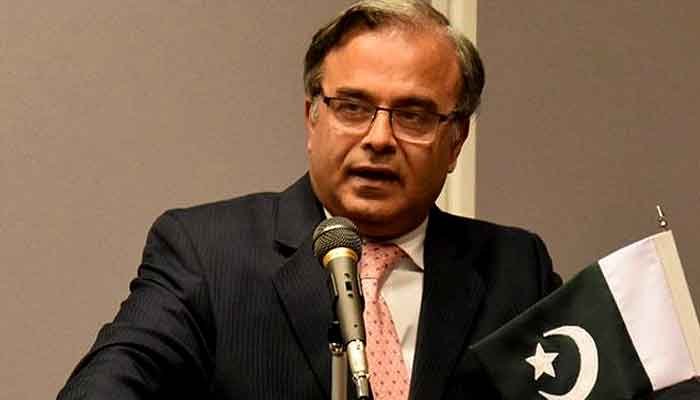
Asad Majeed, the former ambassador of Pakistan to the United States, played a pivotal role in shedding light on the diplomatic “cypher” that had been highlighted by former Prime Minister Imran Khan.
Contrary to Khan’s claims, Majeed clarified during a recent trial court session that the diplomatic cable in question did not contain any references to “threat” or “conspiracy.” Instead, Majeed asserted that his suggestion had been to issue a demarche to the United States, both in Islamabad and Washington.
The entire cypher case revolves around a missing diplomatic document that the Pakistan Tehreek-e-Insaf (PTI) alleges contained a threat from the United States to oust Imran Khan from office due to his stance on Russia. Asad Majeed, who held the position of ambassador to the US when the cypher controversy emerged, recounted his actions and decisions during that period.

During his testimony, Majeed detailed a preplanned luncheon he hosted at the Pakistan House in Washington, inviting Assistant Secretary for South & Central Asian Affairs, Donald Lu, on March 7, 2022. This event was part of scheduled engagements with the US team responsible for handling Pakistan-related affairs.
Majeed, having become a witness in the cypher case against Imran Khan last year, emphasized the detrimental impact of the PTI chairman’s handling of the diplomatic cable on Pakistan’s image. According to Asad Majeed, the cypher affair not only damaged the country’s communication system but also significantly affected the credibility of Pakistani diplomats and the prospects of future diplomatic endeavors.
In a significant development, on December 22, the Supreme Court granted bail to Imran Khan and former Foreign Minister Shah Mahmood Qureshi in the cypher case.
The court clarified that its decision would not influence the trial court, which retained the authority to cancel the bail if deemed necessary, ensuring judicial independence.
