


Economic Fallout
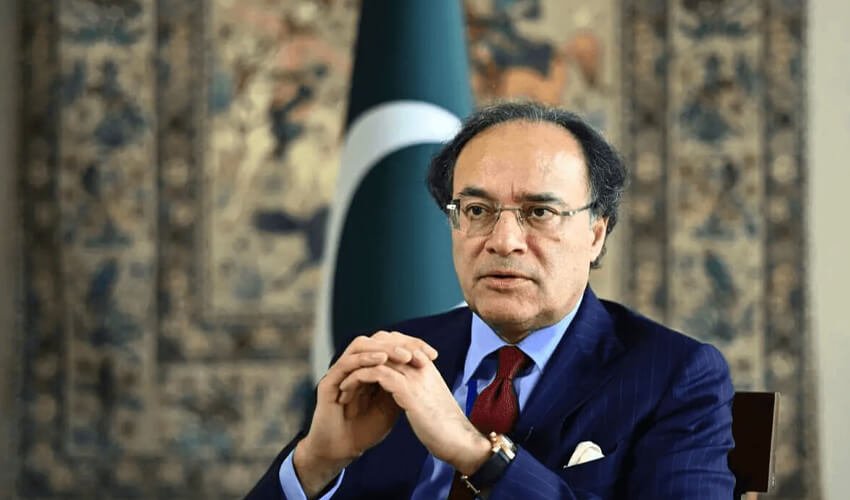
Finance Minister Mohammad Aurangzeb has asserted that the recent military escalation between Pakistan and India will not significantly affect Pakistan’s fiscal outlook.
Speaking to Reuters on Monday, Aurangzeb stated that the short-lived conflict can be managed within the country’s existing fiscal space, eliminating the need for any immediate reassessment of economic plans. He emphasized that the situation qualifies as a “short duration escalation” and is unlikely to derail Pakistan’s broader economic trajectory.
Amid efforts to stabilize the situation, trade discussions with the United States are expected to move forward quickly. Aurangzeb highlighted Washington’s role in brokering the ceasefire and said that economic cooperation with the U.S. is poised to strengthen as a result.
He pointed out that Pakistan is exploring avenues to increase imports from the U.S., particularly in commodities such as high-quality cotton and soybeans. In addition, Islamabad is considering expanding trade to include other asset classes like hydrocarbons.
The U.S. has also shown interest in fostering peace in the region. On Monday, President Donald Trump confirmed that the U.S. was instrumental in securing the ceasefire and is prepared to help both India and Pakistan maintain stability.
He mentioned that trade considerations played a key role in halting the hostilities, suggesting economic incentives are intertwined with diplomatic efforts.
Despite facing a 29% tariff on exports to the U.S., Pakistan currently benefits from a 90-day tariff relief period granted in April, which could provide breathing room for further trade negotiations.
Meanwhile, Pakistan’s financial outlook received a boost as the International Monetary Fund (IMF) approved a $1 billion loan disbursement under its $7 billion bailout program. Aurangzeb confirmed that the tranche would be received on Tuesday.
In a further show of support, the IMF’s executive board approved an additional $1.4 billion loan for Pakistan under its new climate resilience facility, aimed at strengthening the country’s preparedness against environmental challenges.
As the government prepares its budget for the upcoming fiscal year beginning in July, Aurangzeb noted that budget talks with the IMF are scheduled from May 14 to 23. While he declined to provide specifics about potential increases in military spending, he reassured that Pakistan’s defense needs would be fully addressed.
Tensions between the two nuclear-armed nations escalated sharply following a deadly April 22 attack in Pahalgam, located in Indian Illegally Occupied Jammu and Kashmir (IIOJK), where 26 tourists were killed.
The incident triggered the worst military standoff in over two decades. However, diplomatic pressure, particularly from the United States, led to a ceasefire announced on Saturday, ending four days of hostilities in the Himalayan region.
