

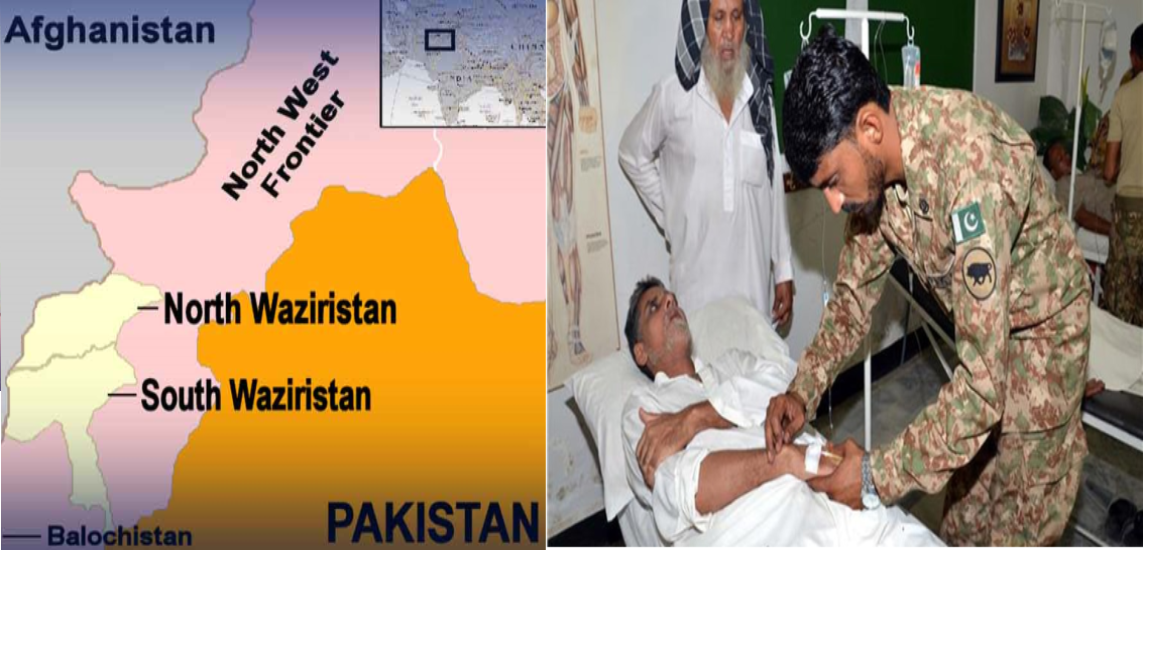

Mobile health units
In North Waziristan, the Pakistan Army has set up four mobile health units equipped with advanced medical facilities such as ECG, ultrasound, and various laboratory tests.
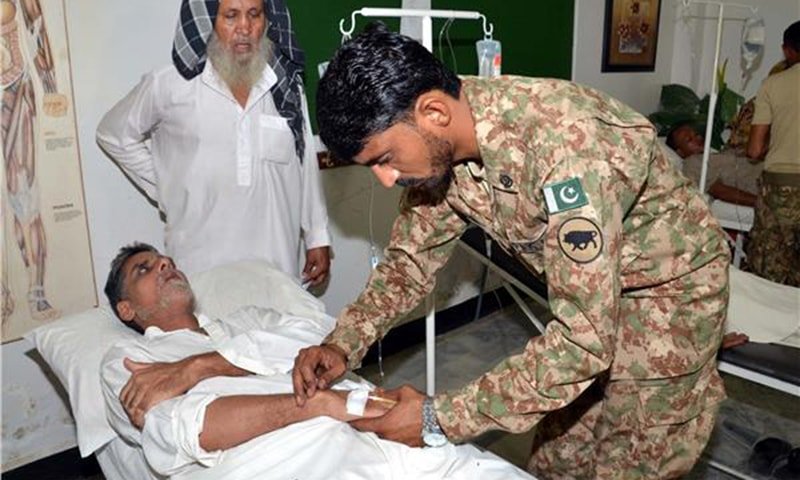
The primary objective is to deliver high-quality healthcare services directly to the residents’ doorsteps.
The initiative initially targeted areas around North Waziristan, specifically Gardai and Shewa, and there are plans to extend coverage to other regions. These health units feature a dedicated team of specialized doctors, lady doctors, and paramedical staff, ensuring optimal medical care for the local population.
The community in North Waziristan has expressed appreciation for the collaborative efforts of the Pakistani military and the Medical Corps. Beyond offering preventive measures and disease precautions, the units are also providing complimentary medications to the residents, enhancing overall health outcomes in the region.
37 ‘Anti-Muslim’ Films Released By Bollywood Since Modi Rules New Delhi
Meanwhile, since Narendra Modi assumed office in India, there has been a notable increase in the release of 37 films in the Bollywood industry that critics argue portray anti-Muslim sentiments.
Titles such as “Kashmir Files,” “Kerala Story,” and “Lipstick Under My Burqa” have sparked debates about the industry’s portrayal of the Muslim community.
In 2023 alone, six films have come under scrutiny for perpetuating negative stereotypes and potentially fueling animosity against Muslims. Analysts anticipate a further surge in such releases leading up to the 2024 elections, with expectations of at least 20 more anti-Muslim films.
A recurring theme in these movies is the depiction of Muslims as villains, terrorists, or members of criminal organizations, exacerbating communal tensions. Anup Raghav, a prominent Bollywood commentator, alleges that the Modi government provides tax incentives to productions aligning with its political agenda, thus incentivizing the creation of films that negatively portray the Muslim community.
