


Diplomatic Talks
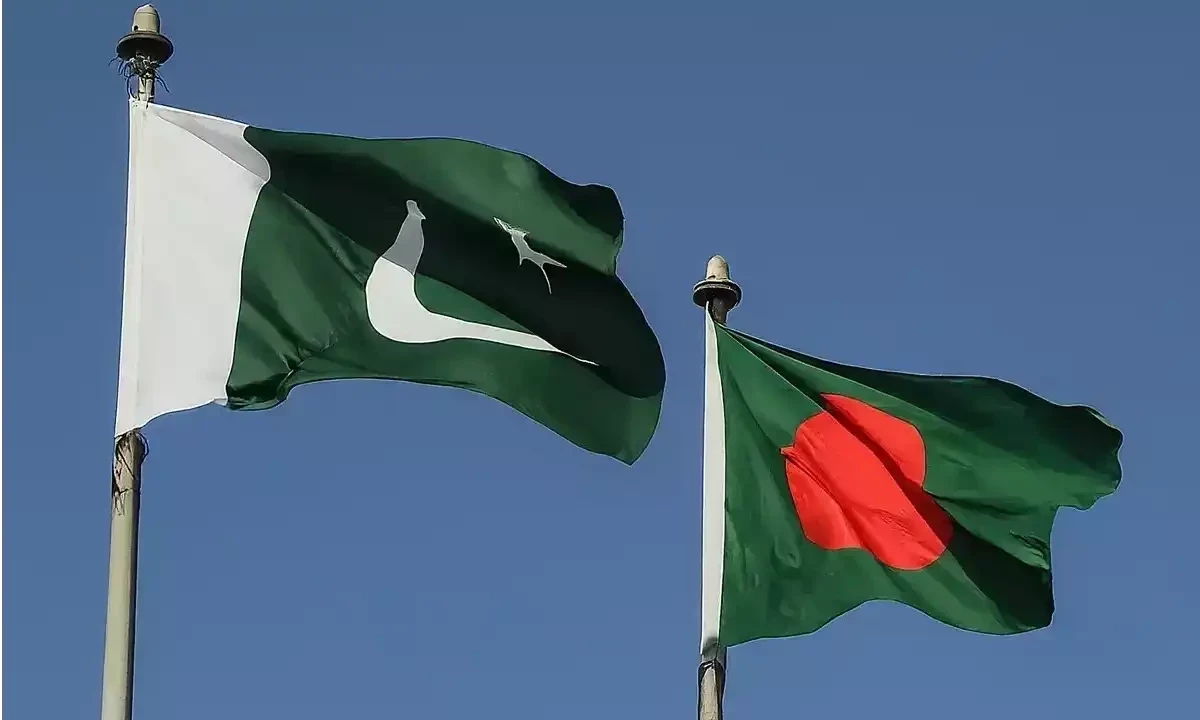
Recent high-level diplomatic consultations between Pakistan and Bangladesh have marked a pivotal moment in the relationship between the two South Asian nations.
The Foreign Office spokesperson, Shafqat Ali Khan, confirmed during a weekly press briefing that these talks, held in Dhaka, addressed a range of longstanding issues, most notably those linked to the events of 1971.
Foreign Office Secretary Amina Baloch led Pakistan’s delegation, making it the first such official visit to Bangladesh in over 15 years. Her visit underscored Islamabad’s renewed commitment to strengthening ties with Dhaka.
According to Khan, the discussions took place in a constructive and respectful atmosphere, with both sides demonstrating a willingness to engage on sensitive issues while aiming to build a more collaborative future.
Bangladeshi media outlets such as The Daily Star and Dhaka Tribune reported that the Dhaka government reiterated demands for a formal apology, compensation for the 1971 conflict, the return of unpaid financial dues, and clarity regarding international donations sent for relief following the 1970 cyclone.
Bangladeshi Foreign Secretary Jashim Uddin emphasized that resolving these concerns is essential for developing a durable and trustworthy relationship between the two nations.
Despite the gravity of the historical matters discussed, Khan stressed that the environment of the talks was positive. He also noted attempts by certain elements to misrepresent the discussions through sensationalism, aiming to weaken the growing rapport between Pakistan and Bangladesh. However, he dismissed these efforts as futile, underscoring that both governments are focused on reconciliation and forward-looking cooperation.
Beyond historical grievances, the talks encompassed wide-ranging areas including trade, agriculture, education, cultural exchange, and strategic connectivity. Pakistan offered scholarships and opportunities for Bangladeshi students to study in its agricultural universities, while Bangladesh proposed technical training programs in fisheries and maritime studies.
The delegation from Dhaka welcomed offers from Pakistani private universities, reinforcing the shared interest in educational and technological collaboration.
The improved diplomatic climate follows a noticeable shift after the ousting of former Bangladeshi Prime Minister Sheikh Hasina in August. A December meeting between Pakistani Prime Minister Shehbaz Sharif and Bangladesh’s interim leader Dr. Muhammad Yunus during the D-8 conference in Cairo further signaled both countries’ intent to address lingering tensions from 1971.
Additionally, military officials from both sides agreed in January to insulate their evolving bilateral ties from external interference and to deepen cooperation on defense and strategic matters.
Both governments also expressed satisfaction with previous diplomatic encounters held in New York, Cairo, Samoa, and Jeddah, and reaffirmed their commitment to institutionalizing regular dialogue to resolve pending agreements and enhance bilateral engagement.
This renewed phase of diplomatic engagement signifies a potential turning point, one that could lead to meaningful reconciliation and robust partnership between Pakistan and Bangladesh, grounded in mutual respect and shared aspirations.
