


ISLAMABAD: Following the rejection of proposals to raise taxes on fertiliser and pesticides, Pakistan and the International Monetary Fund (IMF) are exploring alternative tax options — including possible hikes on rooftop solar panels, internet services, and other sectors — as contingency measures to address potential revenue shortfalls.
Contingency Measures Linked to IMF Review
These proposed taxation measures are expected to be included in the IMF’s second review report under the $7 billion Extended Fund Facility (EFF). The report will be released after the approval of a $1 billion tranche.
Officials said the new tax steps would only be triggered under two conditions:
-
If revenue collection for the first half of the fiscal year (July–December) falls short of projections; and
-
If the Finance Ministry fails to cut expenditures as agreed.
Proposed Tax Hikes on Solar Panels and Internet Services
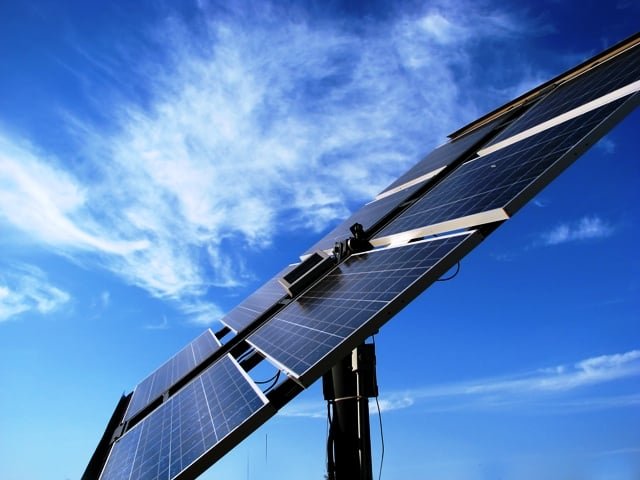
According to the Federal Board of Revenue (FBR), which shared the proposals with the IMF, one option under consideration is increasing the General Sales Tax (GST) on imported solar panels from 10% to 18%, effective January 2026, if required.
Another proposal involves raising the withholding tax on internet services from the current 15% to 18% or 20%.
The government’s interest in taxing solar imports reflects concerns about rising capacity payments, which could reach Rs1.7 trillion this fiscal year due to lower reliance on grid electricity.
Revenue and Power Sector Context
FBR data shows that imported solar panels could potentially generate 25,000–30,000 MW of electricity in coming years, compared to 6,000 MW currently produced by rooftop installations — a number that could double soon.
With the existing 10% GST on imported panels, the FBR estimates Rs40–50 billion in annual revenue. Raising the tax to 18% could add Rs20–30 billion more in the remaining fiscal period.
Meanwhile, the IMF has agreed to lower Pakistan’s GDP growth projection from 4.2% to around 3.25–3.5%, leading to a reduction in the overall tax collection target. However, the tax-to-GDP ratio target of 11% remains unchanged.
Pakistan already recorded a revenue shortfall of Rs198 billion in the first quarter (July–September) against a target of Rs3.08 trillion, leaving the FBR needing to collect Rs6.695 trillion by December 2025.
