

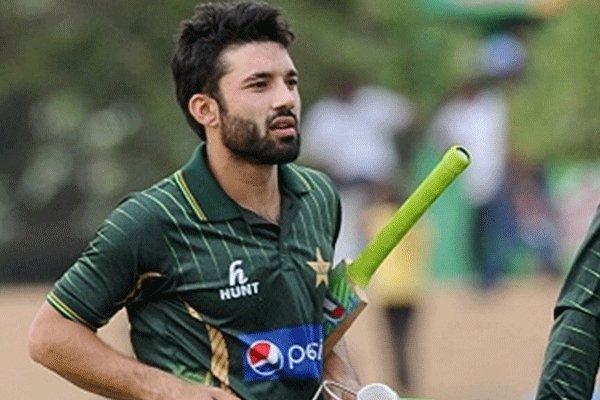

Pakistan’s batting lineup found itself trapped under relentless pressure as they struggled to build momentum against India’s disciplined bowling attack, playing a staggering 100 dot balls in the first 26 overs.
Right from the start, India’s bowlers dictated the tempo, making scoring opportunities scarce. Axar Patel, Kuldeep Yadav, and Harshit Rana kept the batters guessing with their variations, while the pacers maintained tight lines, restricting any free-flowing strokes. Mohammad Rizwan, known for his fluent batting, found it difficult to rotate the strike, with his shots frequently reaching the fielders instead of gaps.
Despite efforts by Saud Shakeel and Rizwan to keep the scoreboard ticking, India effectively dried up the singles, further intensifying the pressure. Each over unfolded in a similar pattern—solid defense, cautious prods, and growing frustration for Pakistan’s batters. By the innings’ halfway mark, the run rate remained sluggish, reflecting the team’s struggles.
As the innings progressed, the mounting pressure forced Pakistan into risky strokes, leading to errors. Sensing their advantage, India tightened their grip, ensuring the opposition remained restricted.
The defining aspect of the first 26 overs wasn’t dramatic dismissals or a batting collapse, but rather a slow-burning crisis where Pakistan’s batters were stifled under the weight of dot balls. Unless they managed to break the shackles and accelerate, this phase could prove decisive in shaping the match’s outcome.
