

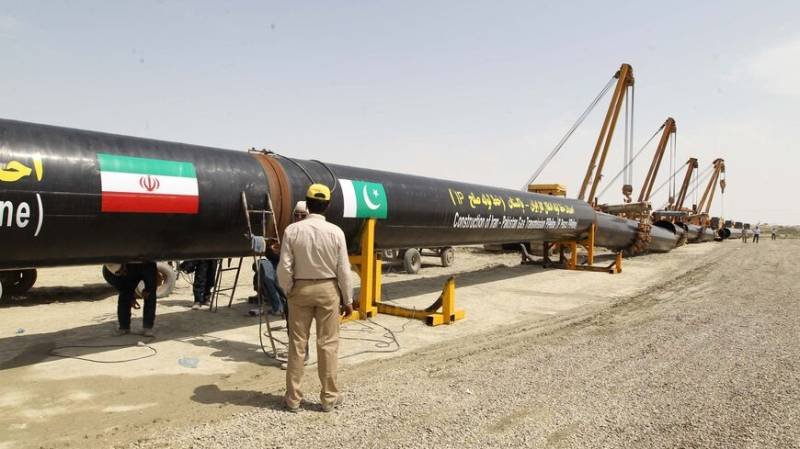

Pakistan is actively pursuing exemption from the United States’ sanctions concerning the gas pipeline project with Iran, according to the country’s petroleum minister. In discussions with reporters in Islamabad, Minister Musadik Malik emphasized Pakistan’s need for Iranian gas to meet its energy demands and expressed the intention to complete the project without facing sanctions.
The initiative to commence the construction of an 80-kilometre segment of the Iran-Pakistan gas pipeline received approval from the former caretaker government. This decision aimed to avoid potential penalties amounting to $18 billion from Tehran.
The pipeline section will stretch from the Iranian border to Gwadar, with an estimated cost of $158 million (Rs44.2 billion). The project will be managed by Inter-State Gas Systems (Pvt) Ltd, a subsidiary of the petroleum division, and funded through the Gas Infrastructure Development Cess.
Iran has fulfilled its obligations by constructing its portion of the pipeline, extending 1,172km from Asalouyeh to Iranshahr and further 270km to the Pakistan border.
Discussions regarding the Iran-Pakistan gas pipeline also arose during a Congressional hearing on ‘Pakistan after the elections: Examining the future of democracy in Pakistan and the US-Pakistan relationship,’ where US Assistant Secretary of State Donald Lu commented on the project. He highlighted US concerns regarding financing and the absence of communication from Pakistan regarding sanctions waivers. He mentioned Pakistan’s interest in clean energy alternatives and confirmed ongoing communication between the US administration and Pakistan’s government regarding the project.
Minister Malik addressed concerns about rising gas tariffs, indicating that the government sought justification for rate hikes from companies, irrespective of changes in the dollar price. He noted that only a quarter to a third of citizens had access to gas, compared to nearly all connected to the electricity grid. Malik emphasized the importance of providing affordable electricity to reduce reliance on gas, mentioning the import of gas from Russia via the private sector.
Additionally, he stated unawareness of statements related to imposing sales tax on petroleum products.
