

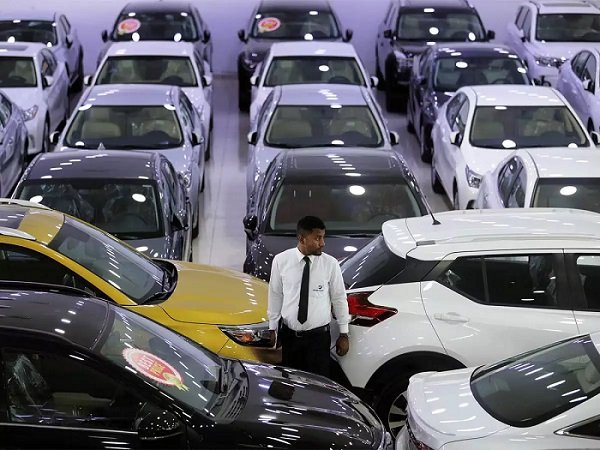

Car Sales Dropped
The automotive market is currently experiencing a prolonged downturn, with a drastic 53% decline in sales of passenger cars, light commercial vehicles (LCVs), and SUVs during the first half of the fiscal year (Jul-Dec). This trend mirrors the financial challenges faced by Pakistani households, where the ability to make substantial purchases, especially of new cars, is diminishing, and purchasing power is constrained.
The extravagant nature of these expenses is evident, as a significant portion of the population is unable to afford a car, whether through cash transactions or bank financing. Even if banks offer car loans, the escalating costs of petrol, diesel, and vehicle maintenance contribute to the overall unaffordability, resulting in an untapped car market.
The surge in interest rates has added to the woes of car owners who had previously opted for adjustable rate loans, leading to potential regrets. Government authorities have played a role in dampening the demand for automobiles by imposing restrictions on tenors and equity requirements, making it more challenging for car owners to secure financing. Coupled with interest rate hikes affecting the private sector at large, this has significantly reduced the pool of potential car buyers relying on auto loans.
The remaining market participants consist mainly of investors willing to part with their money and cash buyers with savings. However, this group is shrinking as automobiles become more expensive, and supply constraints persist due to lingering issues with letters of credit limitations for over a year.
Interestingly, despite an overall decrease in market share, the percentage of LCVs and SUVs has risen to 22% of the total. This shift is attributed to the introduction of new models and competitors, such as Hyundai’s Tucson and Sazgar’s Haval, which generated considerable interest. Nevertheless, even within this segment, signs of weariness are emerging month after month. Although individuals may have sufficient cash reserves, it’s evident that they are reluctant to invest in brand-new vehicles.
