

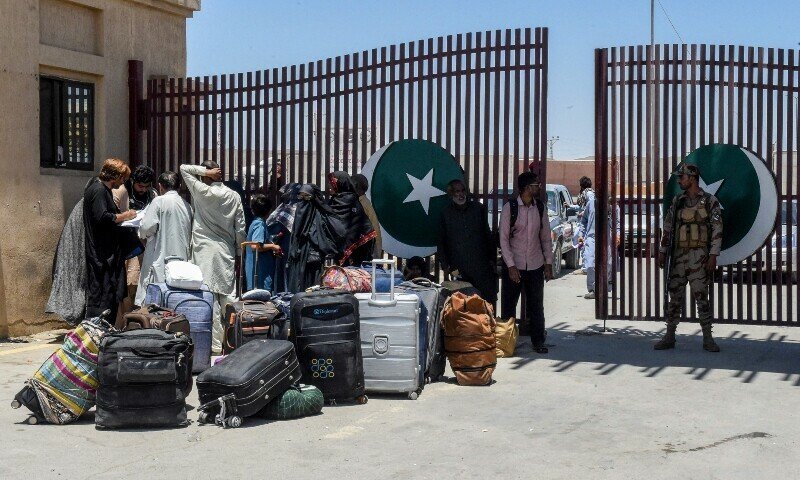

Pakistani pilgrims will not be allowed to travel by road to Iran and Iraq for this year’s Arbaeen pilgrimage, Interior Minister Mohsin Naqvi announced on Sunday, citing public safety and national security concerns.
The decision follows high-level consultations with the Ministry of Foreign Affairs, the Balochistan government, and security agencies. “Zaireen will not be allowed to travel to Iraq and Iran by road for Arbaeen this year,” Naqvi stated on social media platform X (formerly Twitter), adding that it was a “difficult but necessary” step in the interest of national stability.
To ease the impact on pilgrims, Prime Minister Shehbaz Sharif has directed officials to arrange the maximum number of flights possible. The premier also asked Aviation Minister Khawaja Asif to organize special flights to facilitate the religious journey.
Arbaeen, or the 40th day of mourning for the martyrdom of Imam Husain (RA), sees millions of Shia Muslims travel to Karbala, Iraq—home to the shrine of Imam Husain and his brother Abbas. Over 21 million participated in the pilgrimage last year.
Major Reforms Planned for Pilgrim Travel and Security
From January 1, 2026, Pakistan will implement a new travel management system under which only registered organizers will be authorized to arrange pilgrimages. The traditional Salar System will be replaced by the Zaireen Group Organisers model. Weekly flights to Iran will be increased from six to fifteen, and 107 special flights are planned for Iraq.
In addition, PM Shehbaz has asked the Interior Ministry to expedite work on the Gwadar Safe City project, intended to enhance law enforcement and public safety in the port city. The long-delayed project is now expected to be completed by June 2026.
Meanwhile, Pakistan International Airlines (PIA) has announced special outbound and return flights for pilgrims between August 8 and 21.
