

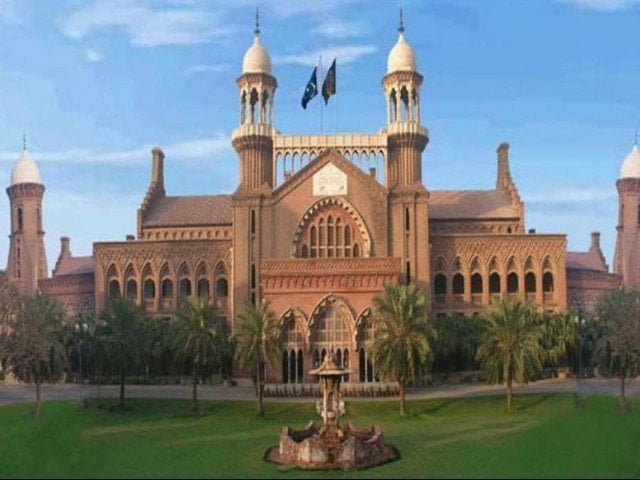

The recently passed PECA Amendment Act 2025 has faced a legal challenge in the Lahore High Court. The petition, filed by journalist Jafar Bin Yar on Wednesday through his lawyer Nadeem Sarwar, names the federal government, the Pakistan Telecommunication Authority (PTA), and other relevant parties as respondents.
The petition argues that the amendments—particularly those imposing penalties for “fake news”—pose a serious threat to the constitutional right to free speech and freedom of expression.
It further claims that the amendments to the Prevention of Electronic Crimes Act (PECA) infringe on these fundamental rights. The petitioner asserts that the bill was introduced without adequate consultation with key stakeholders, including journalist organizations. The petition also requests the court to declare the PECA Amendment Act 2025 null and void and to suspend any related proceedings until a final ruling is issued.
Controversial Provisions
Introduced in the National Assembly on January 22, the PECA Amendment Act has sparked significant controversy, particularly due to provisions targeting online misinformation.
Under Section 26(A) of the amendment, individuals found guilty of intentionally spreading false information on social media, with the aim of causing fear or insecurity, could face imprisonment for up to three years, a fine of up to two million rupees, or both.
The amendment also calls for the creation of a new Social Media Protection and Regulatory Authority, tasked with monitoring and regulating social media platforms in Pakistan. This authority will have the power to register and deregister platforms, enforce content standards, and protect user rights. It will also have the authority to take action against illegal content, including issuing directives to remove such material within 24 hours.
The composition of the new authority will include nine members, including officials from the PTA and PEMRA, as well as a journalist with at least 10 years of experience.
Nationwide Protests
The PECA Amendment Act has sparked widespread protests across the country, with journalists, civil society activists, and opposition groups voicing concerns over the potential suppression of free speech and the increasing control over digital media.
Journalists have criticized the lack of consultation during the drafting of the amendment, raising concerns that the law could be used to silence dissent and independent reporting. The establishment of the Social Media Protection Tribunal, which will include a former High Court judge as chairman, has also raised fears of biased rulings in favor of the government.
Despite the protests, the Senate passed the amendment bill on Sunday, paving the way for its formal approval. Critics warn that the law could have a chilling effect on journalism and online discourse, further consolidating the government’s control over digital media.
