

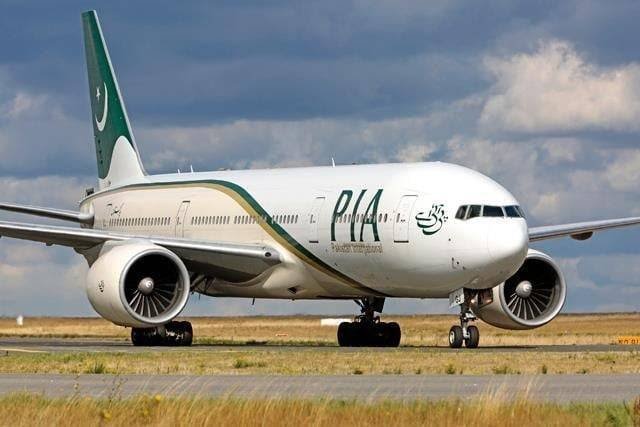

An official audit has uncovered that Pakistan International Airlines (PIA) issued more than 258,000 free and heavily discounted tickets between 2011 and 2016, resulting in a financial loss of Rs 9.43 billion to the national treasury.
Over 258,000 Tickets Distributed in Six Years
According to the audit findings, a significant portion of these tickets were either free or sold at steeply reduced rates. More than 116,000 tickets were issued at a 95 percent discount, while the rest were distributed without charge.
The year-wise breakdown highlights the extent of the issue:
-
2011 – 58,861 free tickets issued
-
2012 – 51,692 free tickets issued
-
2013 – 56,815 free tickets issued
-
2014 – 43,077 free tickets issued
-
2015 – 21,816 free tickets issued
-
2016 – 26,729 free tickets issued
This large-scale practice raised serious questions about transparency, accountability, and misuse of authority within the airline.
Discounts Extended Beyond Airline Employees
The audit further revealed that many discounted tickets were distributed to individuals who were not employees of PIA. These discounts were granted without formal approval from either the chairman or the managing director, indicating weak internal controls.
Despite repeated reminders to review the matter, no official meeting was held until 2023, leaving the policy unchecked for years.
Auditor General Calls for Abolishing Free Ticket Policy
The Auditor General of Pakistan strongly recommended the immediate abolition of the free ticket policy. The report stressed that such practices drained public funds, encouraged misuse of resources, and damaged the financial stability of the national carrier.
Supreme Court Ban on Free Tickets Since 2018
A PIA spokesperson confirmed that the free ticket policy was completely banned in 2018 after a Supreme Court order. The spokesperson explained that the tickets were initially offered under an agent incentive scheme designed to boost sales. However, the system was widely misused, benefiting individuals outside the airline.
The spokesperson added that the audit paragraph in question is nine years old and clarified that Departmental Accounts Committee (DAC) meetings are scheduled by the relevant ministry. Renewed attention to the issue, they suggested, may be linked to pressure from certain groups.
Financial Accountability and Public Pressure
The revelations highlight how systemic weaknesses and unchecked practices can burden the national exchequer. The misuse of free and discounted tickets not only led to financial losses but also damaged public trust in the airline.
The renewed debate over the audit underscores the need for greater accountability, transparency, and oversight in state-owned enterprises.
