

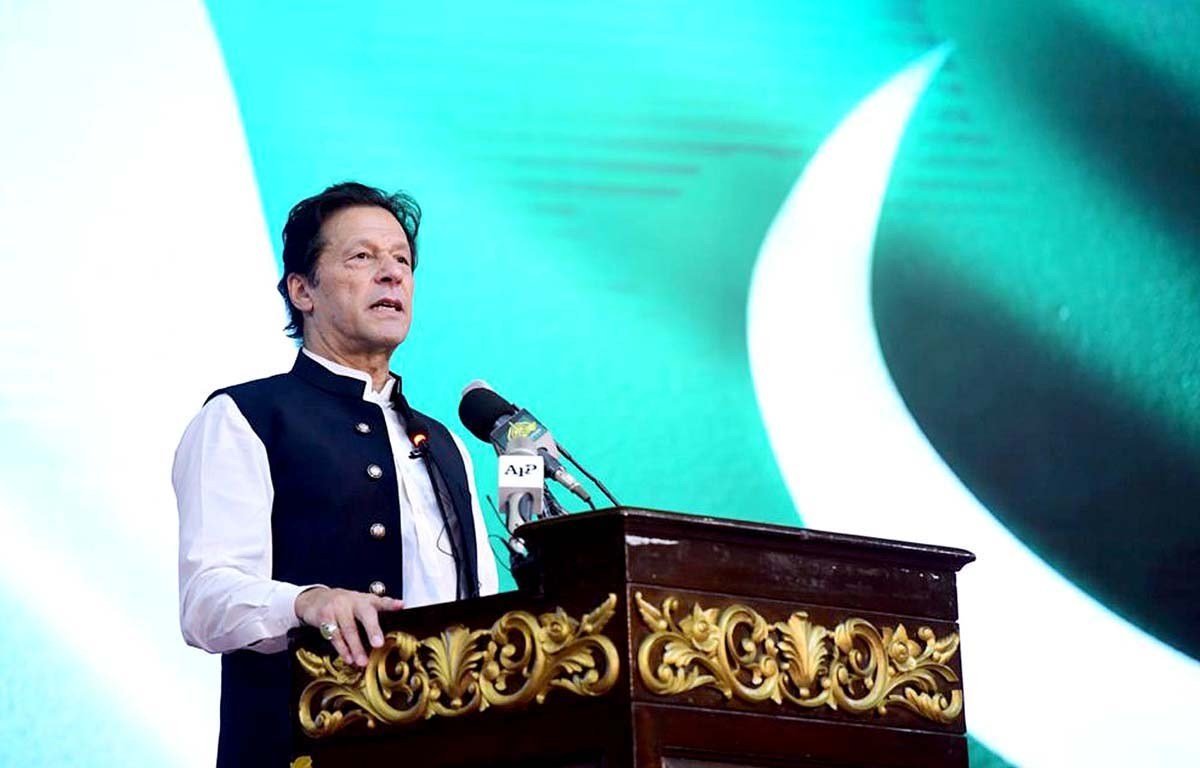

ISLAMABAD: Prime Minister Imran Khan proposed actions to effectively respond to the triple crisis unleashed by COVID-19 having accentuated the endemic inequalities existing within and amongst the nations.
Premier said the global economy will not recover fully until all countries – rich and poor – are enabled to accelerate and expand investment for achieving the SDGs and climate goals.
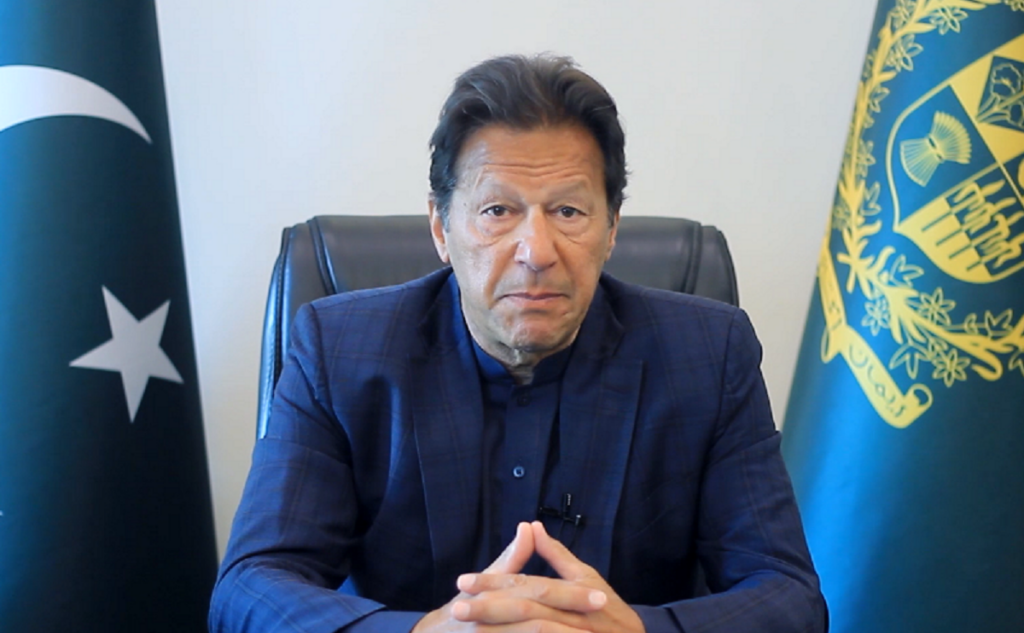
Delivering his key note address virtually at the UN High-Level Political Forum on Sustainable Development on July 13, PM Khan said the universal and affordable access to COVID-19 vaccine was essential to defeat the virus and to revive global trade, investment and growth.
The high-income countries have been able to inject $17 trillion to stimulate their economies. The developing countries, on the other hand, are estimated to need at least $4.3 trillion to recover from the crises and implement the SDGs. They have so far, unfortunately, secured access to less than 5 percent of this amount.
The world must ramp up vaccine production, including in the developing countries, and ensure its rapid distribution, he said, adding the support offered by some major nations is commendable, more needs to be done. Of vital urgency is the waiver of intellectual property rights, even if temporary; vaccine production under license; full funding of the COVAX facility; and provision of grants and concessional lending to enable developing countries to purchase vaccines at fair prices.
Second, adequate finance must be mobilized to enable the developing countries to meet the triple challenge of COVID recovery, SDG implementation and realization of environmental goals. There are synergies in these 3 challenges which should be utilized to “build back better.”
Last September, he had proposed creation of new IMF Special Drawing Rights as an effective way to generate development financing. He welcomed the agreement to create $650 billion in new SDRs. Yet, the additional reserves created for the poorest countries will not provide anywhere close to the magnitude of financial relief they require.
“It is, therefore, essential that the proposal of the IMF director-general that the high-income countries voluntarily re-allocate a part of their unutilized IMF quotas should be approved urgently. I hope at least $150 billion will be re-allocated to finance sustainable development projects and programmes in developing countries through the IMF, World Bank and other development banks and institutions,” he said.
The restructuring of high-cost debt, he noted, was another essential instrument to provide fiscal space and development finance for the affected developing countries.
