

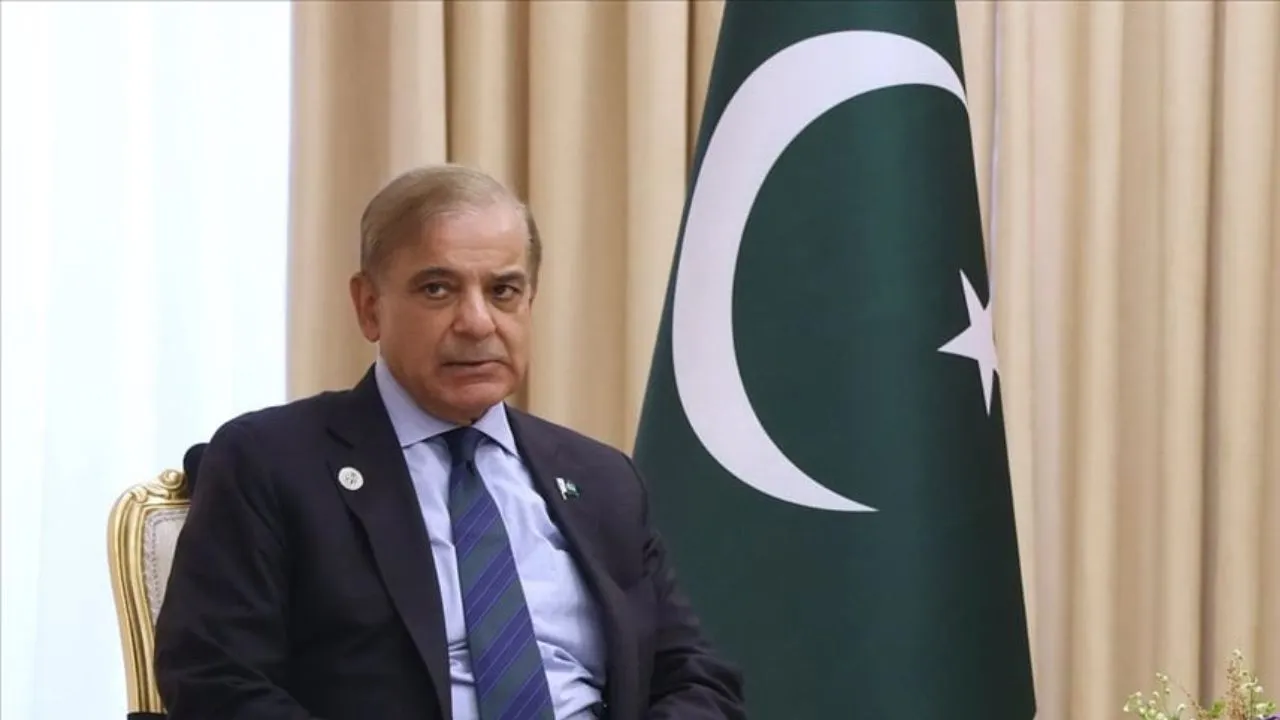

Prime Minister Shehbaz Sharif has urged deeper collaboration between Pakistan and China in the fields of education, technology, and vocational training, with a particular emphasis on artificial intelligence (AI). Addressing faculty and students at Tianjin University in China on Sunday, the premier stressed the importance of equipping Pakistan’s youth with modern skills to meet the demands of a rapidly evolving global landscape.
Sharif highlighted that AI and advanced technological training are essential for Pakistan’s future development. He called on Chinese institutions like Tianjin University to partner with Pakistan in expanding vocational and technical training programs. “Vocational training is the need of the hour,” he said, adding that meaningful cooperation could help transform Pakistan’s existing challenges into long-term opportunities.
He also commended Pakistani students studying in China, describing them as “true ambassadors” of the nation and encouraging them to actively promote the enduring friendship between the two countries.
Focus on Student Exchanges and Agricultural Innovation
Prime Minister Sharif noted that over 30,000 Pakistani students are currently enrolled in Chinese universities, including more than 200 at Tianjin University alone. He emphasized the significance of these academic exchanges in strengthening bilateral ties and building future generations of skilled professionals.
He also pointed to recent initiatives in the agriculture sector, where the Pakistani government has sent 1,000 agriculture graduates to China to learn modern techniques. “These students will be the backbone of our agricultural transformation,” Sharif said, outlining a vision to modernize Pakistan’s farming industry using Chinese expertise and innovation.
Reaffirming Strategic Ties and Shared Development Goals
Reiterating Pakistan’s commitment to deepening its strategic partnership with China, Sharif called for increased collaboration between Chinese companies and Pakistani institutions. “Pakistan and China will achieve development together. No one can separate us,” he declared, underscoring the historic depth of bilateral relations.
Praising China’s rise as a global economic leader, Sharif said it was a result of focused action, not rhetoric. He expressed Pakistan’s strong support for President Xi Jinping’s vision and urged Pakistan to learn from China’s development model.
“We are proud of our historic bond with China—from being the first Muslim country to recognize Beijing, to standing by its side as it rose to become a global power,” he concluded.
