

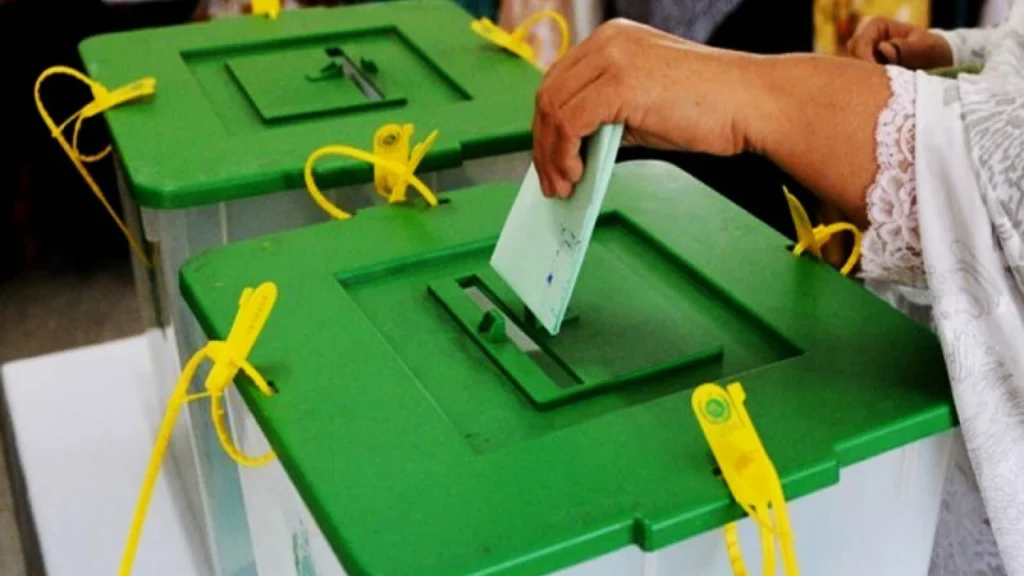

By-elections across 13 constituencies in Punjab and Khyber Pakhtunkhwa concluded with a sweeping performance by the PML-N. The ruling party secured almost all available seats, while the PPP captured one contest in Muzaffargarh. However, the electoral exercise remained subdued due to a widespread opposition boycott and visibly low public turnout.
Widespread Gains for PML-N
The ruling party captured key National Assembly seats in Lahore, Faisalabad, Sahiwal and Dera Ghazi Khan. It also maintained strong leads in several other constituencies where final results were delayed. The PML-N fielded candidates in every constituency except Muzaffargarh, where the PPP contested and ultimately won.
In NA-185, the PML-N candidate achieved a clear victory with more than 82,000 votes. In Lahore’s NA-129, the party’s nominee secured over 63,000 votes, leaving the independent runner-up far behind. The party also triumphed in NA-143 Sahiwal with over 119,000 votes.
Similarly, PML-N candidates dominated in NA-96, NA-104 and other seats where unofficial results indicated strong margins.
PTI Claims Lead in Haripur but Official Tally Differs
The PTI participated only in Lahore and Haripur. Party insiders claimed an early lead in Haripur based on partial results. However, the official data released later showed the PML-N leading the contest. The Election Commission’s dashboard displayed the PML-N candidate ahead with more than 81,000 votes at the time.
Provincial Assembly Results Favour the Ruling Party
PML-N candidates also prevailed in most Punjab Assembly seats. They recorded convincing victories in PP-203, PP-87, PP-115, PP-116 and PP-73. In several of these constituencies, opponents secured only minimal votes.
The PPP emerged victorious in PP-269, where it faced no PML-N candidate. Moreover, in PP-98 Faisalabad, the PML-N nominee maintained a strong margin over the nearest competitor.
Boycott Shapes Outcome and Turnout
These by-elections occurred due to the disqualification of several PTI lawmakers after legal convictions. The PTI refused to participate except in two constituencies, causing a notable decline in voter activity. Many polling stations witnessed sparse footfall, and some even recorded no votes for several hours.
Announcements in local mosques urged citizens to vote, yet the turnout remained low. Reports from Faisalabad showed empty polling sites, with security personnel outnumbering voters.
ECP Attributes Low Turnout to Political Stakes
The country’s election regulator acknowledged the low participation but described it as expected. The Chief Election Commissioner said the results would not alter the political balance in parliament, which likely reduced voter motivation.
He also stated that the overall process remained peaceful and credited provincial authorities for maintaining order.
Government Claims Encouraging Participation
Despite visible low turnout, government representatives painted a more positive picture. They claimed that the ruling party saw strong engagement in its core areas. Officials said Lahore, Faisalabad, Sahiwal and Dera Ghazi Khan witnessed active participation during the day.
According to them, significant numbers of women, elderly citizens and young voters appeared at several polling stations. They argued that the PTI’s boycott would damage its political position in the coming months.
Rigging Allegations Emerge
Controversy surfaced as the PTI raised concerns regarding ballot book discrepancies in NA-129. The party shared documentation showing a mismatch between the number of recorded and received ballot books at one polling station.
The election authorities did not issue a detailed public response. However, an official attributed the variation to a typographical mistake and claimed the actual number of books matched the serial sequence.
PTI Accuses Authorities of Bias
Multiple PTI leaders levelled accusations of misconduct. They claimed that their polling camps were removed, that staff appointments were biased and that voters faced confusion due to incorrect polling station lists. They also criticised what they described as attempts to influence the electoral environment.
Former provincial leaders argued that the ruling party benefited from administrative decisions. They insisted that the opposition still held strong support in some regions despite these challenges.
Internal Party Disputes
The PTI also faced internal rifts during the by-election period. Party officials issued disciplinary notices to members who contested seats in defiance of the boycott decision. These actions highlighted the ongoing political strain within the party’s ranks.
Political Impact of Results
Analysts noted that the ruling party’s broad victory may strengthen its position in parliament. If it sustains control over most contested seats, it may not require coalition support for routine legislation. This would significantly reshape the political environment ahead of future parliamentary sessions.
The by-elections delivered a decisive outcome with the PML-N securing most seats in Punjab and KP. Yet the process highlighted several challenges, including low engagement, disputes over transparency and strong allegations from the opposition. As a result, the political narrative now shifts to how these results influence parliamentary dynamics and upcoming political strategies.
