

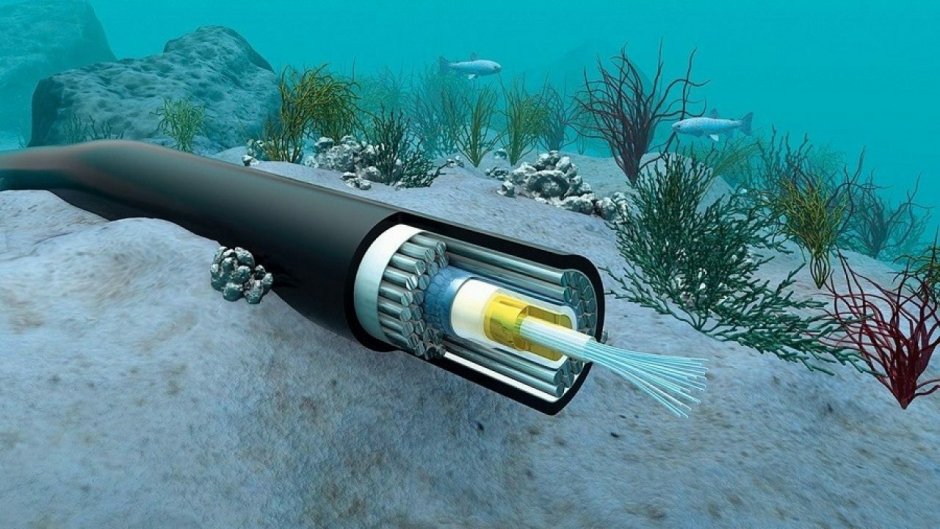

ISLAMABAD: The Pakistan Telecommunication Company Limited (PTCL) announced on Friday that customers might experience slow internet browsing due to an outage in an international submarine cable.
“Teams are working diligently to resolve the matter as soon as possible. We sincerely apologize for any inconvenience caused during this time,” PTCL stated in a brief message.
Persistent Internet Challenges
Pakistan has been dealing with frequent internet slowdowns since last year, often attributed by the government to submarine cable faults. However, reports have suggested that authorities might also be experimenting with a “firewall,” further complicating the issue.
The disruptions have significantly impacted freelancers, a workforce of over two million that contributes notably to the country’s economy.
Recent Submarine Cable Fault
The PTCL announcement followed a statement from the Pakistan Telecommunication Authority (PTA) on Thursday, confirming a fault in the submarine cable AAE-1 near Qatar. This cable is one of seven international undersea cables responsible for Pakistan’s internet connectivity.
PTA assured users that teams are actively working to repair the fault and promised to monitor the situation while providing updates to telecom users.
Frustration and Criticism
The prolonged internet issues have sparked frustration among users and even prompted court cases. Allies of the ruling government have also voiced their discontent both in parliament and public forums.
Meanwhile, Pakistan Peoples Party (PPP) Chairman Bilawal Bhutto-Zardari criticized the government’s handling of the issue, sarcastically asking why fish only seem to target Pakistan’s undersea fiber-optic cables.
Global Internet Rankings
According to Ookla’s Speedtest Global Index, Pakistan ranks 100th out of 111 countries in mobile internet speeds, with an average download speed of 20.61 Mbps and upload speed of 8.53 Mbps. For broadband, the country ranks 141st out of 158 nations, with a download speed of 15.60 Mbps and an upload speed of 15.53 Mbps, highlighting the urgency of resolving these connectivity issues.
