


Issued by the Welfare Wing of the Services and General Administration Department, the advisory urges residents across the province to stay calm, follow safety protocols, and assist vulnerable neighbors in times of emergency.
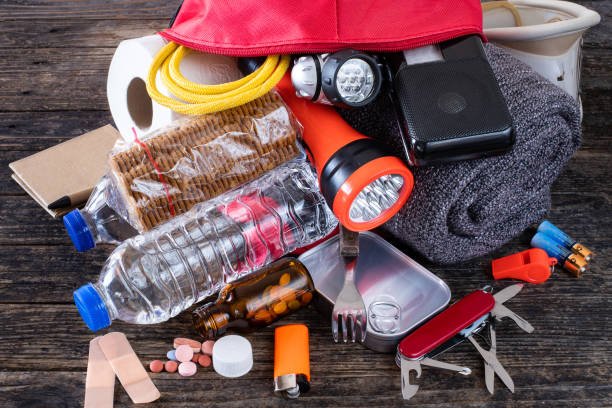
The SOPs call for households to identify a secure, windowless area—preferably a basement or interior room—for sheltering during an attack. Citizens are also advised to prepare a basic emergency kit containing first-aid supplies, bottled water, non-perishable food, flashlights, and power banks.
In the event of a siren or official warning, households should immediately switch off all lights to avoid detection, move to the designated safe space, secure doors and windows, and shut off gas connections. The use of stairwells is recommended over elevators for moving to lower floors.
If evacuation becomes necessary, residents must follow official instructions, bring essential documents and emergency items, and ensure all utilities are turned off before leaving their homes.
Emergency Kit During War
Preparing an emergency kit is essential during times of potential conflict. Families with children face additional challenges, so the kit should cover not just survival basics but also emotional comfort and child-specific needs. Below is a breakdown of critical items to include, with explanations for each category
Basic Survival Essentials
In times of war or civil disruption, access to clean water and food may be limited. It’s recommended to pack at least 3 liters of drinking water per person per day, enough to last 3 to 7 days. Include non-perishable food items such as canned beans, dry cereals, energy bars, and packaged meals. For families with infants or toddlers, formula and baby food must be included. A manual can opener is necessary if you are packing canned goods. If water supply is uncertain, water purification tablets or a portable filter can be life-saving.
First Aid & Medical Supplies
Health emergencies can arise suddenly during conflict, so a well-stocked first aid kit is crucial. It should include bandages, antiseptic wipes, antibiotic ointment, scissors, and pain relievers. Additionally, pack any prescription medications your family members require, including inhalers, insulin, or allergy treatments. For children, include age-appropriate medications and a thermometer. Face masks, hand sanitizer, and gloves add a layer of protection against illness, especially in shelters or crowded areas.
Safety & Shelter Gear
Your emergency kit should also help your family stay safe and warm. Pack strong flashlights with spare batteries and a hand-crank or battery-powered radio for emergency updates. Blankets or sleeping bags (consider kid-sized ones for younger children) are essential for warmth, and raincoats or ponchos can help protect you from weather conditions. An emergency whistle is useful for signaling help if separated.
tems Specifically for Children
Children require special attention in emergencies. Diapers, wipes, formula, and bottles are vital for babies. For older kids, pack extra clothing, shoes, and basic hygiene products. To reduce trauma and stress, include familiar comfort items like a small stuffed animal, a favorite blanket, or storybooks. Quiet entertainment like coloring books and crayons can also help calm children during long stays in shelters or evacuation centers. It’s also wise to prepare an ID bracelet or card for each child listing their name, allergies, and emergency contacts.
Important Documents
Keep vital documents in a waterproof pouch to protect them. These should include identity cards, passports, birth certificates, and medical records. Copies of prescriptions and emergency contact lists should also be included. Family photos can help in reuniting with loved ones in case of separation during evacuation.
Electronics & Communication
Reliable communication can be a lifeline. Pack a fully charged power bank and, if possible, a backup phone or emergency communication device. Include appropriate charging cables and universal adapter plugs, especially if you’re near borders or might relocate. Keep devices off or in low-power mode to conserve battery unless needed.
Cash & Essentials
Electronic payment systems may be unavailable during wartime, so carry cash in small denominations. Include copies of house and car keys, which could be essential if you’re forced to move quickly or return to your home under limited access conditions.
Final Tips for Families
Prepare two kits: One for your home and a smaller, portable version for your car.
Authorities also emphasized the importance of remaining composed, staying updated via official alerts, and supporting others—particularly the elderly or those with disabilities—during such situations.
