


COP28
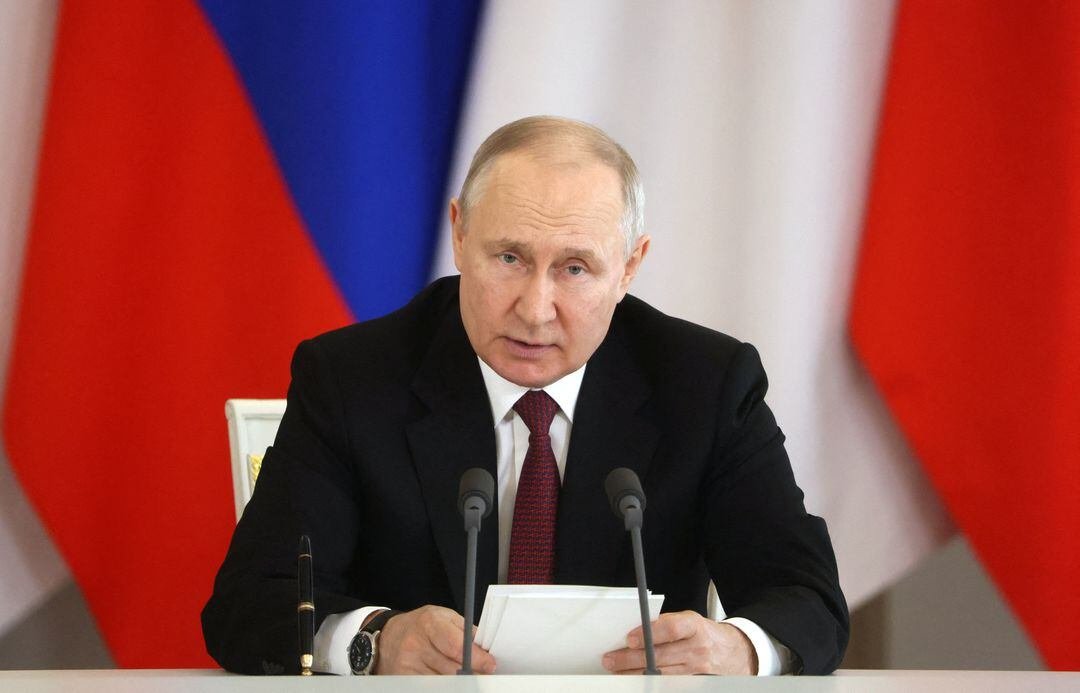
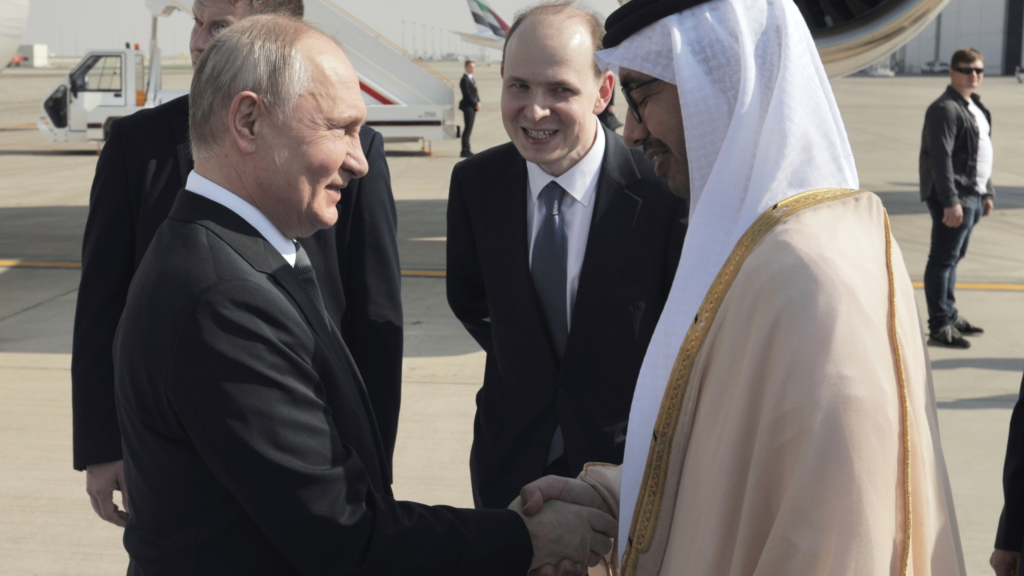
Russian President Vladimir Putin made a notable foreign appearance by arriving in the United Arab Emirates (UAE) for a visit, marking a rare trip abroad for the leader. This diplomatic journey is not limited to the UAE, as it is part of a broader itinerary that includes a subsequent visit to Saudi Arabia. Putin’s presence in the UAE underscores the significance of this foreign engagement.
This comes in the wake of Putin’s conspicuous absence from the BRICS (Brazil, Russia, India, China, South Africa) summit held in South Africa. The South African presidency clarified that Putin’s non-participation was a result of a mutual decision, ending months of speculation. The potential visit by the Russian president had become a contentious diplomatic issue for South Africa, primarily due to an existing International Criminal Court (ICC) arrest warrant against Putin. As an ICC member, South Africa would have been expected to enforce the warrant if Putin set foot in the country.
South Africa, the current chair of the BRICS group, had formally invited Putin to the summit taking place in Johannesburg between August 22 and 24. However, the decision not to host Putin was made to avoid legal complications and international pressure, given the controversial ICC arrest warrant. Instead, Russia was represented by Foreign Minister Sergei Lavrov at the BRICS summit.
Meanwhile, at COP28, U.S. special climate envoy John Kerry introduced a comprehensive international engagement plan aimed at advancing nuclear fusion technology. This initiative involves the participation of 35 nations and focuses on critical aspects such as research and development, supply chain management, and regulatory and safety considerations. Kerry emphasized the transformative potential of fusion technology in combating climate change, highlighting its emissions-free characteristics and vast energy-producing capabilities.
As COP28 unfolded, another unprecedented situation emerged, with an apparent deadlock over the host for COP29. Typically, during the early days of the conference, the next COP host is named, signaling a coordinated and planned approach to global climate discussions. However, this year’s conference witnessed minimal reference to COP29, raising concerns over the lack of clarity on the future host.
According to U.N. rules, it is Eastern Europe’s turn to host COP29, but the ongoing conflict in Ukraine has complicated the decision-making process. Russia’s opposition to holding COP29 in an EU member state and its blockade of Bulgaria’s bid further adds to the uncertainty. Moreover, Armenia and Azerbaijan, the remaining potential hosts, are ruled out due to their historical conflict and refusal to back each other.
In summary, these recent developments on the international stage underscore the intricate dynamics and challenges in diplomatic engagements, climate initiatives, and the geopolitical landscape. Putin’s visits, the complexities surrounding the BRICS summit, the nuclear fusion plan, and the uncertainty over COP29 collectively contribute to the evolving narrative of global affairs and climate action.
