


Anger Boils Over After Public Killing of Anti-Crime Mayor
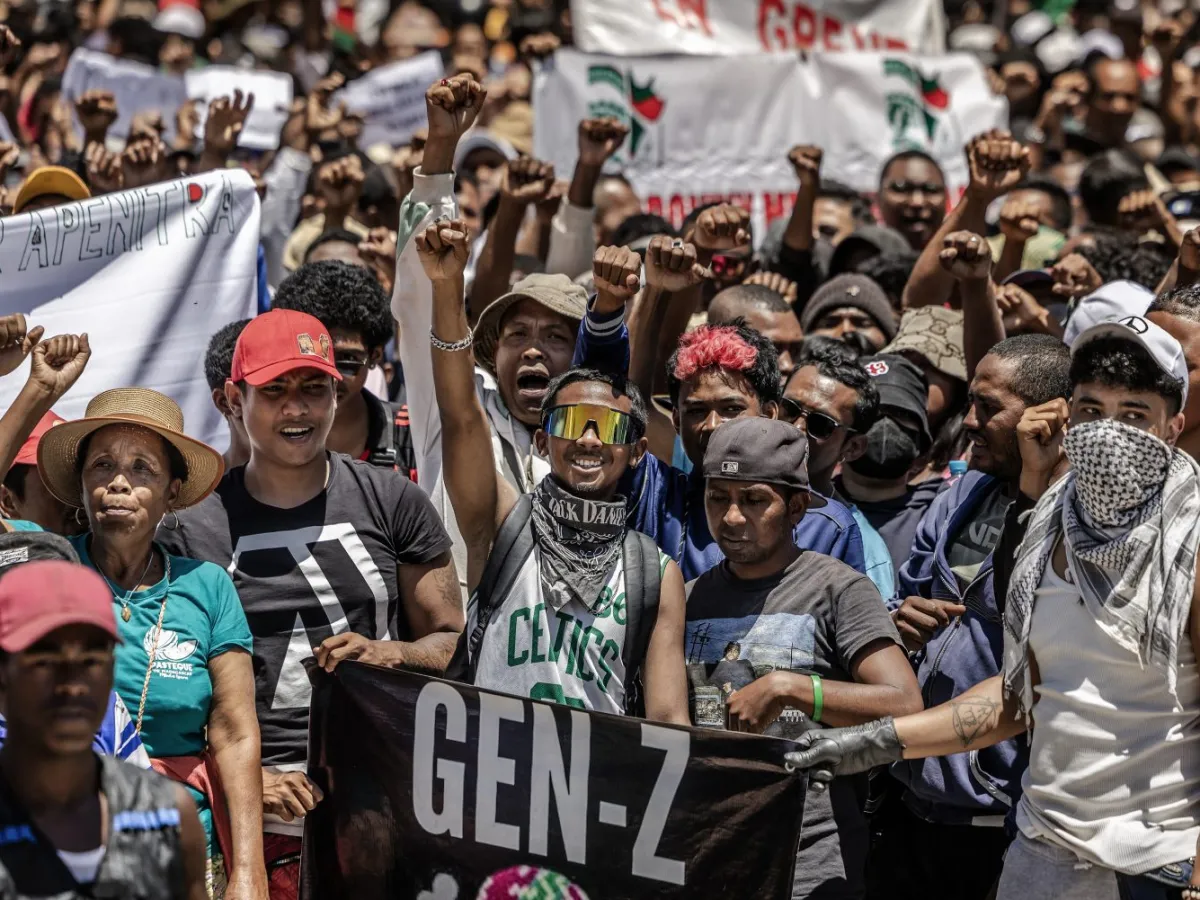
Violent protests driven by Mexico’s Generation Z swept through major cities on Saturday as thousands of young people mobilised to condemn soaring violence and official inaction. The demonstrations were ignited by the shocking November 1 assassination of Uruapan Mayor Carlos Manzo, who was gunned down during a Day of the Dead celebration—an event that symbolically honours life and death, now stained by yet another act of public brutality.
In Mexico City, tensions escalated dramatically when a faction of hooded protesters dismantled protective fencing around the National Palace, the residence of President Claudia Sheinbaum. Riot police responded with tear gas, triggering a heated clash captured by reporters and witnesses. The confrontation underscored the deep frustration felt by the demonstrators, many of whom blame government authorities for failing to protect citizens from escalating criminal violence.
Public safety chief Pablo Vázquez stated that 100 police officers were injured during the unrest, with 40 needing hospital treatment. In addition, 20 civilians sustained injuries. Vázquez also reported that police arrested 20 people and referred another 20 for administrative violations. The violent turn of events highlighted the scale and intensity of the dissatisfaction gripping the country’s youth.
A Youth Movement Rejects Corruption and Demands Accountability
Protests stretched far beyond the capital, with marches erupting in multiple states including Michoacán, where outrage over Manzo’s killing remains particularly fierce. In Mexico City, demonstrators chanted slogans against the ruling Morena party, including “Out, Morena,” and demanded stronger action to curb violence. Others shouted, “Carlos did not die, the government killed him,” reflecting widespread distrust in official institutions.
The movement, operating under the name “Generation Z Mexico,” describes itself as non-partisan and committed to representing young people disillusioned by corruption, impunity, and abuse of power. A manifesto circulating online argues that the country’s youth are tired of watching violence rise while accountability declines. This mirrors similar Gen Z-led protest waves emerging across the world, driven by a generation unafraid to challenge entrenched systems.
However, the Sheinbaum administration has cast doubt on the authenticity of the uprising. Government officials claim that right-leaning political adversaries orchestrated much of the mobilisation and amplified it through bot-driven social media campaigns. Protesters, meanwhile, insist their movement is genuine, grassroots, and fuelled by lived experience—not political manipulation.
As tensions deepen, Mexico finds itself at a crossroads, grappling with a youth generation demanding systemic change amid a national landscape increasingly defined by violence and political mistrust.
