

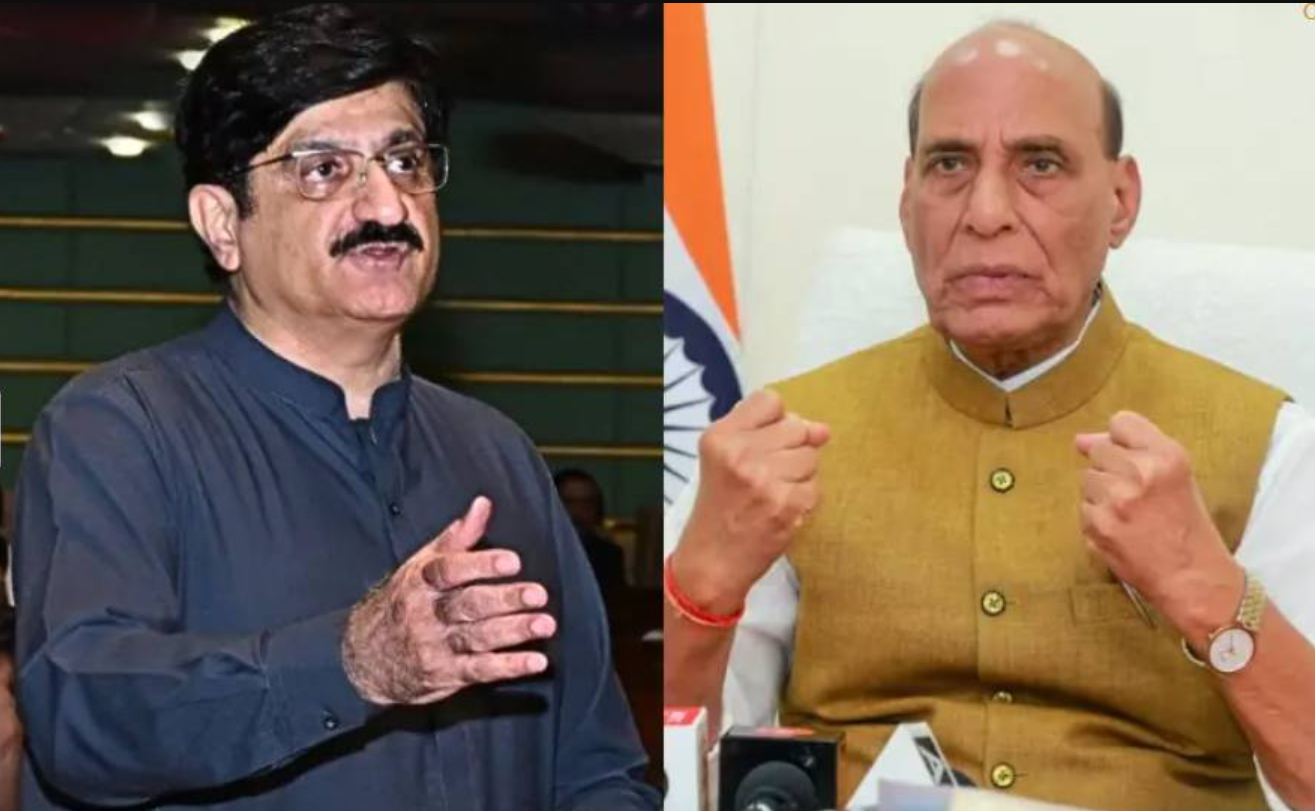

The Sindh Assembly unanimously rejected remarks by India’s Defence Minister Rajnath Singh, describing them as “delusional” and a deliberate distortion of history.
Controversial Statements Spark Diplomatic Outcry
Singh had claimed that “civilisationally, Sindh will always be a part of India” and suggested the province could “return to India again.” These statements were immediately denounced as dangerously revisionist and expansionist, triggering widespread condemnation.
The Sindh Assembly passed a resolution stating that Singh’s words were “inflammatory, historically baseless, and a violation of diplomatic norms and international law.” The resolution emphasized that Sindh is, and will remain, an inseparable part of Pakistan.
Historical and Cultural Significance of Sindh
The resolution highlighted Sindh’s ancient civilisation, unique culture, and political identity, noting its autonomy even before Pakistan’s creation. Sindh separated from the Bombay Presidency in 1936, asserting its right to self-governance. The province also played a decisive role in the Pakistan Resolution, contributing significantly to the nation’s establishment.
Lawmakers rejected all revisionist and politically motivated claims attempting to rewrite Sindh’s history. They condemned the extremist policies of India’s government, citing threats to regional peace, environmental security, and water resources.
Call for Diplomatic and International Action
The resolution urged the Pakistani federal government to raise the matter internationally and take decisive diplomatic and legal action to protect the Indus River. The House stressed that India’s unilateral abeyance of the Indus Waters Treaty poses an acute danger to Pakistan’s ecological and civilisational heritage.
Solidarity and Regional Stability
The Assembly expressed solidarity with all communities respecting the Indus River and rejecting extremism and revisionism. It reaffirmed that any aggression against the Indus River threatens millions of livelihoods and shared civilisation across South Asia.
Sindh Chief Minister’s Statement
During the session, Chief Minister Murad Ali Shah strongly condemned Singh’s remarks. He urged the federal government to bring global attention to India’s aggressive statements. The Chief Minister affirmed Sindh’s loyalty, stating, “Sindh is a part of Pakistan and will always remain so, and its boundaries cannot be changed.”
CM Murad also highlighted the historical contributions of Sindhi leaders to Pakistan’s founding, noting the Muslim League Sindh Chapter’s pivotal role in presenting the Pakistan Resolution. He called Singh’s statements historically inaccurate, politically irresponsible, and a reflection of panic in India.
Resolution Approved Unanimously
Following the Chief Minister’s speech, the Sindh Assembly unanimously approved the resolution condemning the Indian Defence Minister’s statements. The House reinforced that Sindh’s history, identity, and sovereignty are non-negotiable, rejecting all external attempts to destabilize the region.
