


The Sindh government has announced a significant extension of the age limit for candidates applying for provincial government positions, addressing delays in recruitment processes and a high volume of applications.
The age limit has been raised from 28 to 33 years for most government departments. However, this relaxation does not apply to the police force or positions filled through the Sindh Public Service Commission’s combined competitive examination.
“This relaxation will be applicable for an initial period of two years, from January 1, 2025, to December 31, 2026,” a statement from the provincial government said on Saturday.
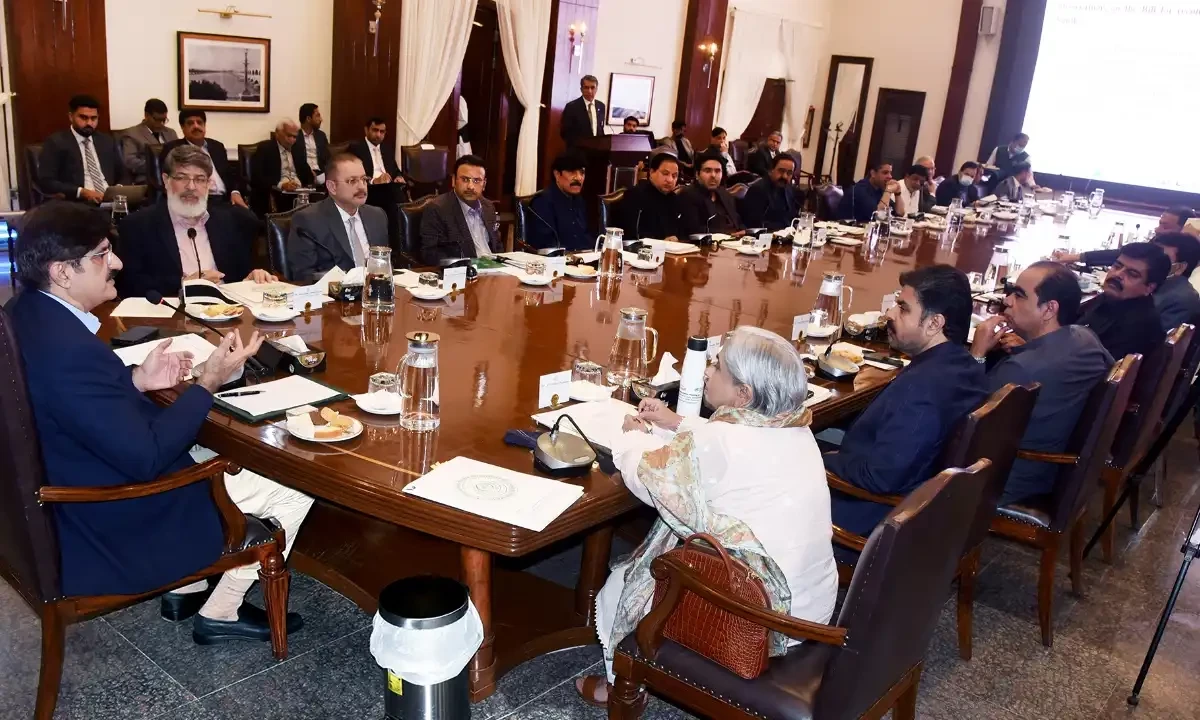
The decision was made during a cabinet meeting chaired by Sindh Chief Minister Murad Ali Shah in Karachi.
The Sindh Cabinet approved the Sindh Civil Servants, Relaxation of Upper Age Limit, Rules, and directed the Services, General Administration, and Coordination Department (SGA&CD) to notify the updated regulations, which will grant substantial age relaxations for those applying for government jobs.
The age relaxation applies across several categories of candidates. Government employees with at least two years of continuous service will be eligible for up to five years of age relaxation, granted by the relevant administrative department.
“General candidates are entitled to a relaxation of up to two years from the Administrative Department, while up to five years can be granted by the SGA&CD,” the statement added. Additionally, widows or children of deceased civil servants, those whose parents passed away while in service, will also qualify for a five-year relaxation, granted by the Administrative Department.
Furthermore, individuals with disabilities, widows, and divorced women will be eligible for up to five years of age relaxation, provided by the department. Widows and divorced women must submit relevant documents, such as a death certificate or divorce certificate, when applying for this relaxation.
The new rules also allow for age relaxation for general candidates based on compelling reasons such as medical issues, the death of a spouse or parents, natural disasters, delays in appointments, recruitment bans, or other significant circumstances. Special committees will be formed to evaluate these cases on a case-by-case basis.
