

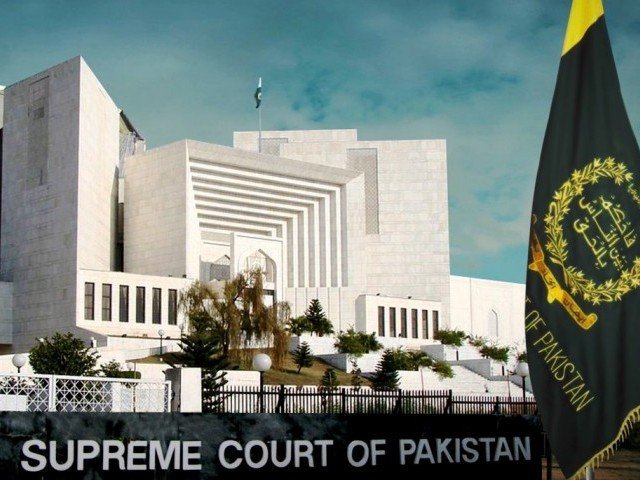

On Wednesday, the Supreme Court clarified that the chief justice of Pakistan is not the “Master of the Roster” and cannot substitute his wisdom for that of the Constitution or override other judges.
In a detailed 22-page judgment authored by Chief Justice Qazi Faez Isa, the court explained that the Parliament’s enactment of the Supreme Court (Practice and Procedure) Act 2023 does not violate fundamental rights but rather facilitates their enforcement, as empowered by Article 191 of the Constitution.
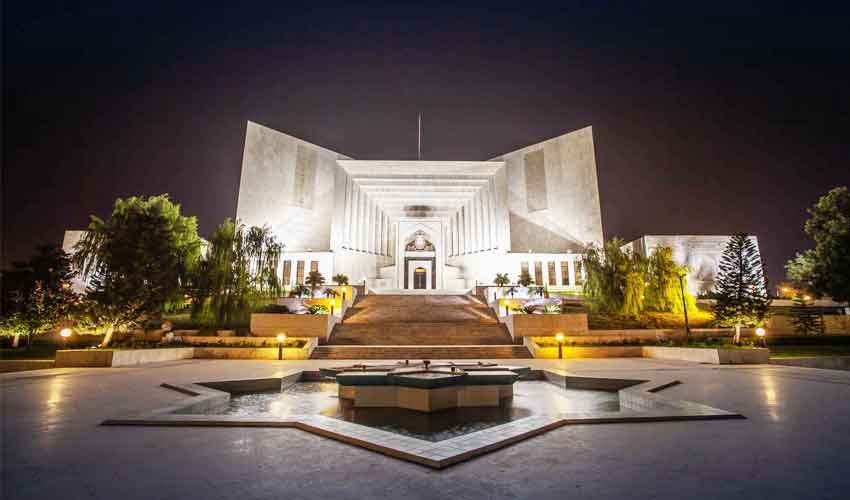
The judgment upheld the decision from October 11, acknowledging that the Pakistan Democratic Movement (PDM) coalition had the authority to regulate its affairs. However, it stated that the appeal against decisions made under Article 184(3) of the Constitution would not apply retrospectively. The full court, comprising all 15 available judges, delivered a split decision, rejecting challenges to the Supreme Court (P&P) Act.
Chief Justice Isa emphasized that the Constitution does not grant unlimited jurisdiction to the Supreme Court or its chief justice. The term “Master of the Roster” was disapproved, with the Chief Justice arguing that it is not mentioned in the Constitution, any law, or the SC Rules. He deemed the term offensive and associated it with servitude, emphasizing the dangers of concentrating power in an individual, citing historical examples.
The judgment highlighted that when interpreting legislation, the Supreme Court should not substitute its opinion for that of parliament, except when legislation is demonstrably unconstitutional. The CJP noted that the Act has improved access to justice, transparency, and the effectiveness of fundamental rights.
Justice Yahya Afridi, in an additional note, declared Section 5 of the law as beyond the legislative power conferred on parliament by the Constitution. While supporting the constitutional validity of the Act, except for Section 5, he emphasized the need for parliamentary amendment if the right of appeal against orders passed by the SC is to be provided. Justice Afridi also suggested reconsideration of Section 2, which deals with the constitution of benches, urging transparent criteria to avoid public skepticism.
