

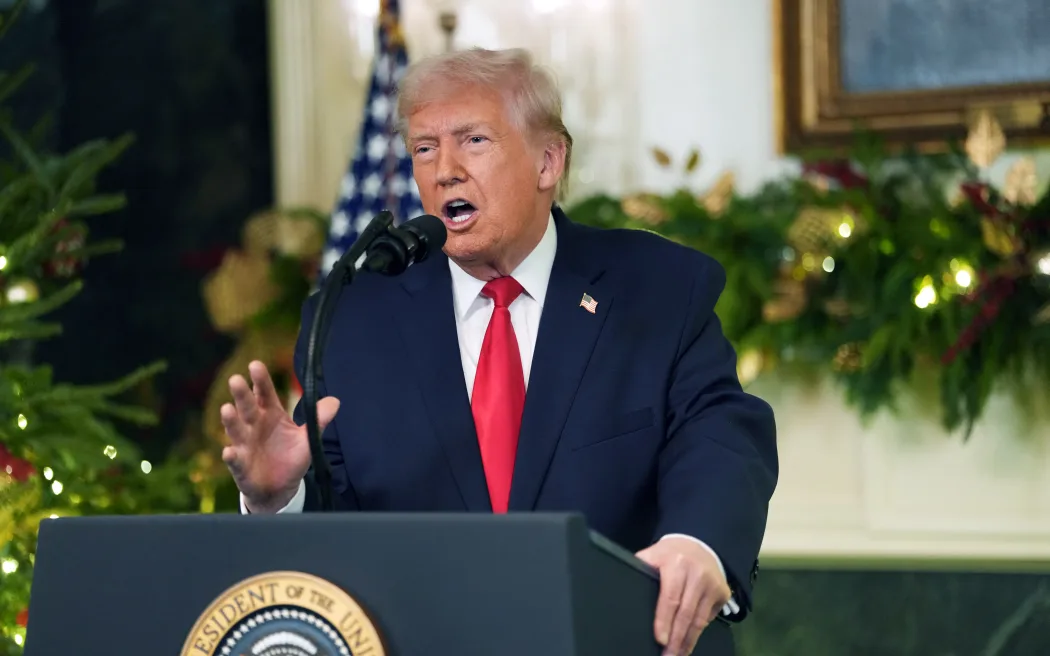

President Donald Trump has endorsed a bipartisan bill that would allow the United States to impose sweeping sanctions on countries purchasing Russian oil, as Moscow continues its war in Ukraine. Senior Republican Senator Lindsey Graham confirmed on Wednesday that Trump had “greenlit” the legislation after holding what he described as a highly productive meeting with lawmakers.
The proposed Sanctioning Russia Act, co-authored by Graham and Democratic Senator Richard Blumenthal, would grant the president authority to impose tariffs of up to 500 percent on imports from nations trading with Russia’s energy sector. According to Graham, the bill would strengthen Washington’s ability to disrupt financial flows that support President Vladimir Putin’s military campaign.
Graham said the legislation would give Trump “tremendous leverage” over major economies, including China, India, and Brazil. He added that countries buying discounted Russian oil are indirectly fueling Russia’s war machine and prolonging the conflict in Ukraine. As a result, US lawmakers believe stronger economic pressure could alter global purchasing behavior.
Global oil trade and diplomatic pressure intensify
Despite existing US and European sanctions, Russia continues to export large volumes of crude oil. China accounted for nearly half of Russia’s crude exports in November, while India purchased approximately 38 percent. Brazil, which increased imports after Russia’s 2022 invasion of Ukraine, has reduced its purchases in recent months.
The bill emerges as Washington continues to apply pressure on Moscow while backing US-brokered negotiations between Russia and Ukraine. At the same time, the Trump administration has voiced support for European proposals that include binding security guarantees for Ukraine and post-war truce monitoring led by a European multinational force.
Graham described the timing of the legislation as critical, noting that Ukraine has shown flexibility in pursuit of peace while Russia continues attacks on civilian targets. Analysts warn the bill could reshape global energy markets, raise oil prices, and heighten tensions with major US trading partners, while reinforcing Washington’s support for Ukraine.
