

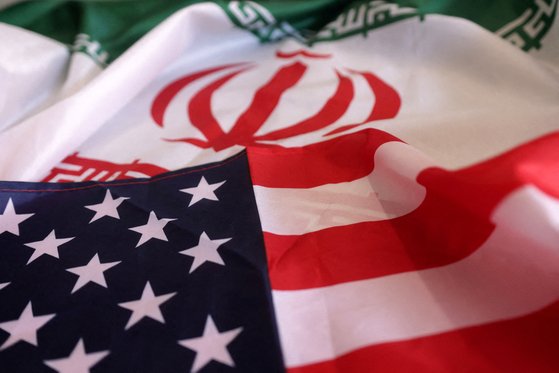

U.S. President Donald Trump on Thursday signaled that Washington is closing in on a nuclear agreement with Iran, suggesting Tehran has “sort of” agreed to the terms under discussion. The remarks came during Trump’s tour of the Gulf.
“We’re in very serious negotiations with Iran for long-term peace,” Trump said. “We’re getting close to maybe doing a deal without having to go down a more dangerous path. There’s a peaceful option and a violent one—but I don’t want the second.”
Trump’s comments sparked a drop in oil prices, which fell by about $2 on expectations that a deal could lead to the easing of sanctions on Iranian oil exports.
Talks between U.S. and Iranian negotiators concluded on Sunday in Oman, with both sides agreeing to continue discussions. However, gaps remain, particularly over uranium enrichment and the sequencing of sanctions relief.
An Iranian source familiar with the talks confirmed that while progress has been made, major sticking points persist. “The issue is that America is not willing to lift major sanctions in exchange,” the source said.
According to Axios, the U.S. presented Iran with a proposal during the fourth round of negotiations, hoping to revive elements of the 2015 nuclear agreement, which Trump withdrew from in 2018.
Tehran, for its part, has reiterated that it will not halt uranium enrichment—something it views as a sovereign right. Iranian officials have called this a “red line,” although they have expressed willingness to limit enrichment to levels suitable for civilian purposes and to reduce their stockpiles of highly enriched uranium under international supervision.
Ali Shamkhani, a senior adviser to Supreme Leader Ayatollah Ali Khamenei, told NBC News that Iran is open to an agreement that includes:
- A formal commitment never to develop nuclear weapons
- Limiting enrichment to civilian-use levels
- Allowing international inspectors full access
- Gradual removal of existing enriched uranium stockpiles
However, disagreements remain over how and where enriched uranium should be removed, with Tehran preferring a phased process that Washington reportedly opposes.
Domestically, the potential deal has stirred political tension. Iranian President Masoud Pezeshkian lashed out at Trump’s remarks, calling the U.S. “the most destructive force” in the region.
“Trump thinks he can sanction and threaten us while talking about human rights. All the instability in the region is their doing,” Pezeshkian said, accusing Washington of trying to destabilize Iran internally.
Despite the rhetoric, both sides continue to favor diplomacy over military escalation, though the outcome of the negotiations remains uncertain as key demands on both sides appear unresolved.
