

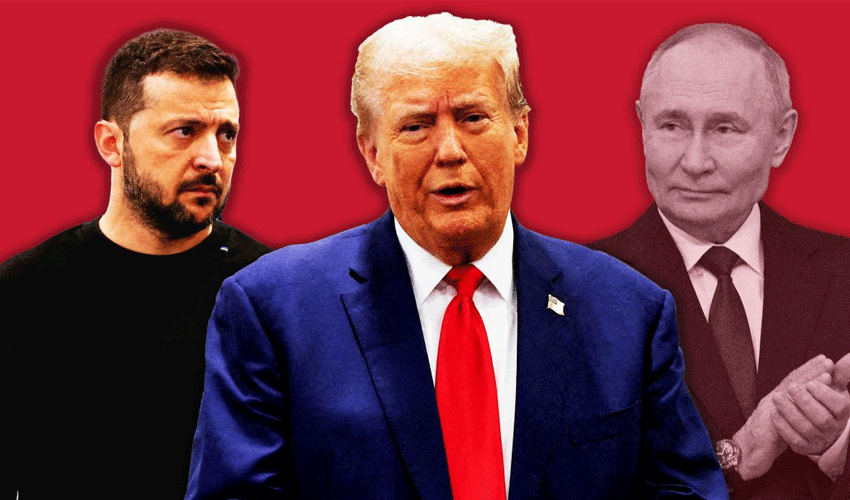

In a bold and controversial move, former U.S. President Donald Trump has announced a high-stakes meeting with Russian President Vladimir Putin on August 15 in Alaska, aimed at negotiating an end to the Russia–Ukraine war. The announcement has drawn global attention and raised alarm in Kyiv, as Trump suggested that any potential peace deal could include territorial exchanges—a red line for Ukraine and its European allies.
Speaking from the White House during a meeting with leaders from Armenia and Azerbaijan, Trump told reporters that the talks would begin with Russia and might involve “some swapping of territories to the betterment of both.” He added, “It’s very complicated. But we’re going to get some back, and we’re going to get some switched.”
Ukraine, Europe Reject Land-for-Peace Proposals
The Ukrainian government has firmly rejected any proposal that involves ceding territory to Russia, including regions like Crimea, Donetsk, Luhansk, Kherson, and Zaporizhia—all of which are currently under Russian control. Moscow, however, has made it clear that any peace agreement must include formal recognition of its occupation of those areas.
European officials have expressed concern that legitimising Russia’s territorial gains could set a dangerous precedent. One EU diplomat warned, “Recognising territory taken by force could embolden further aggression—not just from Russia, but from other authoritarian regimes.”
Legal and Diplomatic Controversies Around Alaska Venue
The choice of Alaska as the venue for the summit has raised eyebrows due to the International Criminal Court (ICC) arrest warrant issued for Putin over alleged war crimes in Ukraine. While the U.S. is not a signatory to the ICC and therefore under no obligation to detain Putin, other countries would be bound to do so if he entered their jurisdictions.
Putin’s team had previously suggested holding talks in the United Arab Emirates, another country outside ICC jurisdiction. However, Trump declared on his social media platform Truth Social that Alaska, the U.S. state closest to Russia, would host the meeting.
Trump’s Deadline for Ceasefire Expires
Trump’s announcement came as his self-imposed deadline for a Ukraine ceasefire passed without any commitments from Moscow. In recent weeks, Trump had threatened sanctions and increased tariffs on countries continuing business with Russia. Just days ago, the U.S. raised tariffs on Indian goods to 50% in response to New Delhi’s ongoing oil purchases from Russia.
Despite setbacks, Trump remains publicly optimistic. He claimed “great progress” was made during envoy Steve Witkoff’s visit to Moscow earlier this month, and reiterated that leaders on all sides “want to see peace.”
Uncertainty and Scepticism Surround Talks
Key questions remain unanswered: Will Trump’s land swap proposal satisfy Russia’s broader demands, including blocking Ukraine’s NATO ambitions and reducing its military capacity? Can Ukraine realistically agree to a deal that compromises its sovereignty?
Analysts remain sceptical of any peace plan involving territorial compromise. While Trump paints the Alaska summit as a step toward ending the war, critics warn that such a deal could undermine international law and embolden future invasions.
For now, the world watches as Trump and Putin prepare for their most consequential meeting yet, with Ukraine’s future hanging in the balance.
