


A Turning Point in the Gaza Conflict
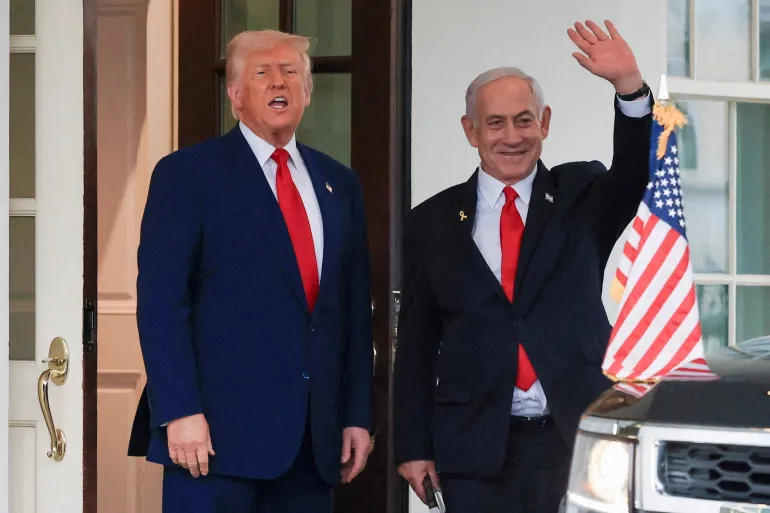
United States President Donald Trump announced that Israeli Prime Minister Benjamin Netanyahu had agreed to a U.S.-backed peace plan for Gaza. The proposal, which aims to end nearly two years of conflict, was also supported by Pakistan’s Prime Minister Shehbaz Sharif and Chief of Army Staff Field Marshal Asim Munir.
The war in Gaza has already claimed more than 65,000 lives and displaced millions. International investigators earlier accused Israel of committing acts of genocide against Palestinians. Trump’s peace proposal, described as a historic step, was introduced during a press conference in Washington.
Key Features of Trump’s Gaza Peace Proposal
Trump outlined a 20-point plan designed to halt the fighting and restore stability in Gaza. The plan includes:
-
Immediate release of hostages within 72 hours.
-
Phased withdrawal of Israeli forces.
-
Demilitarisation of Gaza through Arab and Muslim nations.
-
Dismantling of tunnels and weapons production sites.
-
Creation of a transitional authority to govern Gaza.
Trump emphasized that Arab and Muslim countries would oversee demilitarisation efforts. He stated that Hamas must accept the plan for the conflict to end peacefully. However, if rejected, he confirmed full U.S. backing for Israel to act unilaterally.
Establishment of Oversight and Governance
The plan calls for an international oversight body known as the “Board of Peace.” This body will include leaders from the region, Israel, and international figures. Trump mentioned that Tony Blair expressed interest in joining the board.
Additionally, the World Bank would help train and recruit a new governing authority in Gaza, composed of Palestinians and global experts. Hamas and other armed groups would be excluded from any role in administration.
Netanyahu’s Response to the Agreement
Netanyahu praised Trump’s leadership and expressed full support for the plan. He highlighted that it aligns with Israel’s objectives:
-
Returning hostages.
-
Eliminating Hamas’ military and political influence.
-
Maintaining security responsibility over Gaza.
He said Israel would begin with a modest withdrawal if Hamas accepted the terms. However, Netanyahu warned that if Hamas rejected the deal, Israel would continue military operations until its goals were met.
Netanyahu also rejected the recognition of a Palestinian state under current circumstances. He argued that reforms within the Palestinian Authority were essential, including ending financial support for militants and revising school curricula.
Pakistan’s Endorsement of the Peace Initiative
Prime Minister Shehbaz Sharif publicly welcomed Trump’s proposal. He described it as a vital step toward lasting stability in the Middle East. He stressed that enduring peace between Palestinians and Israel was essential for both political stability and regional economic growth.
Shehbaz further highlighted that during recent talks with Muslim leaders, constructive discussions took place. He expressed hope that a ceasefire could soon follow the new agreement. The Prime Minister also emphasized the importance of a two-state solution for permanent peace in the region.
Toward Regional Stability and Lasting Peace
Trump insisted that the plan goes beyond Gaza, aiming for peace across the Middle East. He suggested that even Iran could eventually join the Abraham Accords, signaling a broader vision for reconciliation in the region.
Both Trump and Netanyahu described the agreement as the closest step yet toward achieving “eternal peace” in the Middle East. With strong support from Pakistan and several Arab and Muslim countries, the proposal now awaits acceptance from Hamas.
