

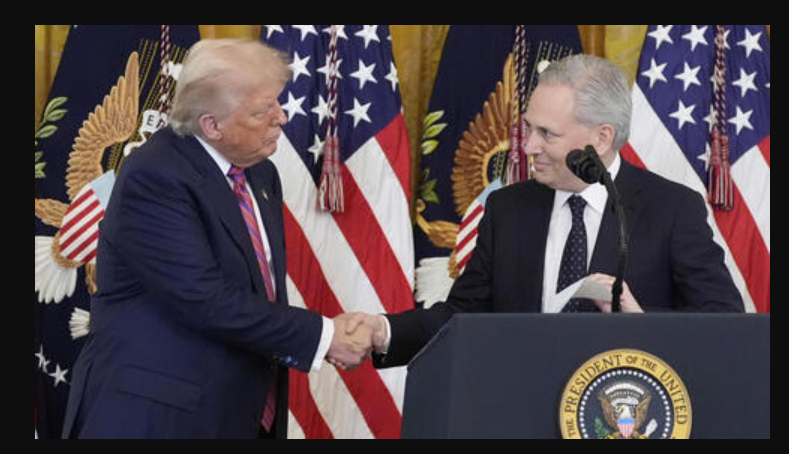

A senior adviser in the administration of Donald Trump has suggested that the United States should consider stepping back from the ongoing conflict with Iran. The remarks came from David Sacks, who serves as the White House adviser on artificial intelligence and cryptocurrency policy.
Sacks argued that the United States may have already achieved its strategic objectives in the conflict. Therefore, he believes the moment could be right to declare victory and move toward de-escalation.
He explained that prolonged escalation may not produce positive outcomes. Consequently, policymakers should begin exploring a realistic path toward ending hostilities.
Call for Ceasefire and Negotiated Settlement
Sacks emphasized the importance of finding an “off-ramp” from the conflict. According to him, de-escalation should involve diplomatic engagement and negotiations. He suggested that a ceasefire agreement could help stabilize the situation. Furthermore, a negotiated settlement might provide a structured path toward reducing tensions.
Sacks also noted that escalation alone rarely resolves complex geopolitical disputes. Instead, diplomacy often becomes necessary once military objectives reach their limits.
Conflict Intensified After February Attacks
The current war began after the United States and Israel launched strikes on Iran on February 28. Those attacks triggered retaliatory actions across the region.
Iran and its ally in Lebanon, Hezbollah, responded with strikes targeting Israel and other locations in the Middle East. As a result, the conflict quickly expanded beyond a single battlefield.
Military exchanges have continued since the initial attacks. Consequently, tensions remain extremely high across the region.
Rising Human and Military Casualties
The war has caused significant casualties on multiple sides. Iran’s representative at the United Nations reported that more than 1,300 people have died in Iran during the attacks.
Meanwhile, authorities in Israel say Iranian strikes have killed at least twelve people. In addition, the United States military confirmed that several American service members also died during the conflict. These figures reflect the growing human cost of the ongoing confrontation.
Global Markets Feel the Impact
Beyond the battlefield, the war has also shaken global economic stability.Financial markets reacted strongly to the escalating tensions.
Oil prices, in particular, experienced sharp increases as the conflict intensified. Investors worry that prolonged fighting could disrupt energy supplies across the Middle East. Therefore, economic concerns are now closely tied to political developments in the region.
Debate Growing Inside Policy Circles
Sacks’ comments highlight a broader debate about the future direction of the conflict. Some policymakers believe continued military pressure remains necessary.
However, others argue that diplomacy should take priority before tensions escalate further.
As the war continues, international observers are watching closely. The next steps taken by major powers could shape the trajectory of the regional crisis.
For now, calls for negotiation suggest that some leaders are searching for a diplomatic exit from an increasingly complex conflict.
