

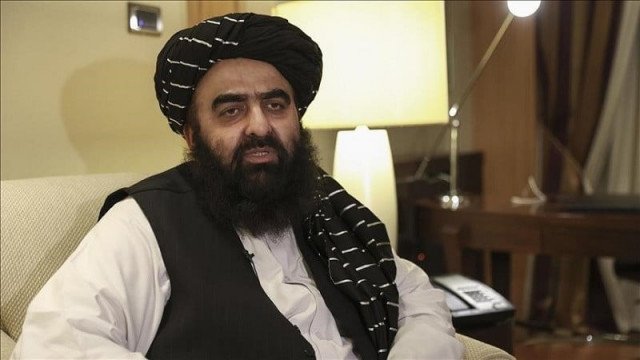

The anticipated visit of Afghanistan’s Taliban-appointed Foreign Minister, Amir Khan Muttaqi, to Pakistan has been delayed due to travel restrictions imposed by the United Nations Security Council (UNSC). Originally scheduled to take place from August 4, the three-day diplomatic trip aimed to revive strained relations between the two neighboring countries.
Reliable sources confirmed that the delay was directly linked to the UN-imposed travel ban, under which Muttaqi remains a sanctioned individual. While he has previously received waivers to attend high-level meetings in countries like Russia and China, this marks the first instance in which his travel request was denied by the UNSC.
Muttaqi’s inability to travel comes amid increased international scrutiny of the Taliban regime, particularly regarding issues such as women’s rights, governance, and regional security. The travel ban appears to be a tool of diplomatic pressure as global powers continue to engage selectively with the Afghan administration.
Pakistan Seeks UNSC Permission Amid Diplomatic Silence
Despite the official silence on the issue, insiders revealed that Pakistani authorities are actively working to secure a special exemption from the United Nations to allow Muttaqi’s visit. The Foreign Office has cited “technical reasons” for the delay, but sources suggest that the real obstacle is the UN’s travel ban, which is being strictly enforced.
Other senior Taliban leaders have also been subject to similar travel restrictions. Analysts believe the recent refusal reflects the international community’s growing frustration with the Taliban’s domestic policies and limited progress on key global concerns.
When contacted, a spokesperson for Pakistan’s Foreign Office stated, “There is no question of delay or cancellation. Both sides are still in the process of finalising dates.”
