

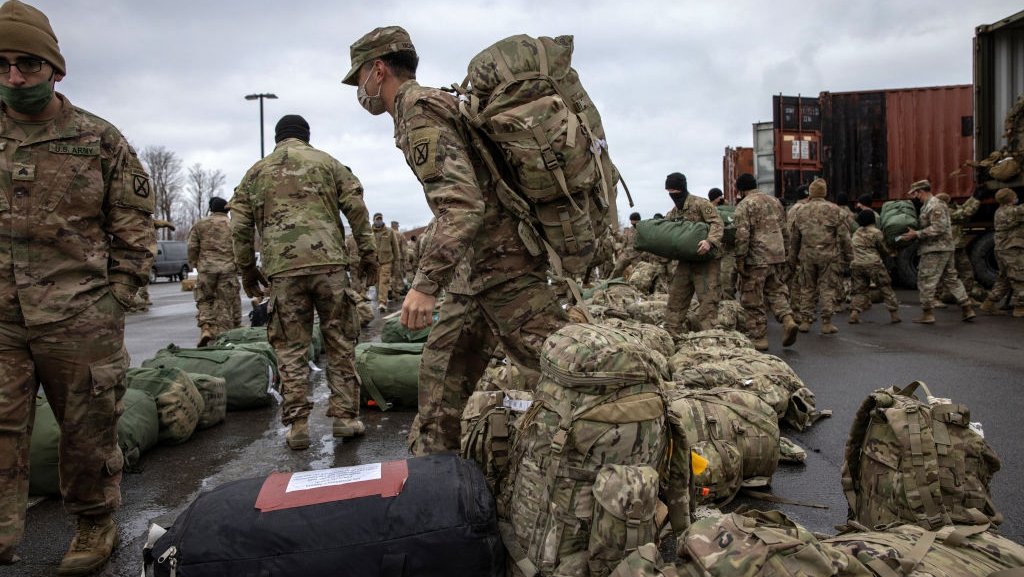

Trump Administration Quietly Engages Kabul, Shifts from Sanctions to Diplomacy
The United States is reportedly making quiet moves to reconnect with Afghanistan, four years after its chaotic withdrawal left the country in the hands of the Taliban—and opened doors for China, Russia, and Iran to expand their regional influence. According to sources, the Trump administration is spearheading efforts to re-engage Kabul diplomatically, going beyond talks on detained Americans to explore trade and political cooperation.
This approach marks a clear shift from the Biden administration’s policy of economic isolation, which aimed to pressure the Taliban through sanctions and aid cuts. Analysts now admit that such strategies failed—and in some cases, even accelerated Afghanistan’s pivot toward Beijing, Moscow, and Tehran.
The Taliban, despite lacking formal recognition from any state, have completed four years in power and maintained relative internal stability. Their governance—though strict—has delivered some surprising outcomes, such as curbing corruption, ensuring law and order, and maintaining a stable national currency. The Afghani is now among the most stable currencies in the region, with 6 million refugees returning from Iran and Pakistan, each allocated land for resettlement.
Even President Trump, during his first term, had described Afghanistan as “a safer place than Chicago”—a comment reflecting both critique of U.S. cities and recognition of relative stability under Taliban control.
Subheading 2: China, Russia, and Iran Fill the Vacuum Left by U.S. Withdrawal
While Washington retreated, China, Russia, and Iran quickly filled the void. Each pursued pragmatic, trade-focused policies that avoided lecturing Kabul on governance. In return, they gained access to resources, influence, and goodwill from the Taliban leadership.
-
China has rapidly boosted its exports to Afghanistan—from $472 million in 2021 to $1.54 billion in 2024. It is also investing in Afghanistan’s $1 trillion mining sector and recently accepted the credentials of the Taliban’s diplomatic representative.
-
Iran, now a major trade partner, accounts for 25% of Kabul’s imports—mainly oil, steel, and construction goods. Bilateral trade surged by 84% in 2024, with Iran exporting goods worth $3.143 billion to Afghanistan.
-
Russia, after lifting its Taliban ban via a Supreme Court ruling, expanded trade from $86 million in 2021 to $3 billion in 2024. Moscow is now eyeing Afghanistan’s mineral and energy sectors, strengthening its long-term footprint.
These nations have won diplomatic capital by showing respect for “Afghan sovereignty” and avoiding direct interference. In contrast, past U.S. attempts to “civilize” or “reshape” Afghan society were seen by many Afghans as humiliating and imperialistic.
US Looking to Avoid Past Mistakes
Now, with Trump seeking a return to the White House, his administration appears keen to reverse the loss of influence. Calls to regain control of Bagram Airbase—once a critical U.S. military hub—have emerged, though Taliban officials have firmly rejected any such possibility. “The U.S. acts like a superpower, but knows well that we defeated NATO,” said one Taliban official anonymously.
While Afghanistan still faces major economic hurdles—such as energy shortages and limited industrial development—it continues to function without IMF or World Bank bailouts. Unemployment remains a concern, yet the Taliban’s internal grip is unchallenged, giving them strong leverage in all external negotiations.
To truly re-enter Afghanistan, the U.S. must drop its confrontational stance, recognize changed ground realities, and rebuild trust through humility and practical cooperation—not pressure or punishment.
As Rumi wisely said, “Only from the heart can you touch the sky.” If the U.S. is serious about rebuilding ties, it must lead not with dominance, but with dignity, respect, and facilitation.
