

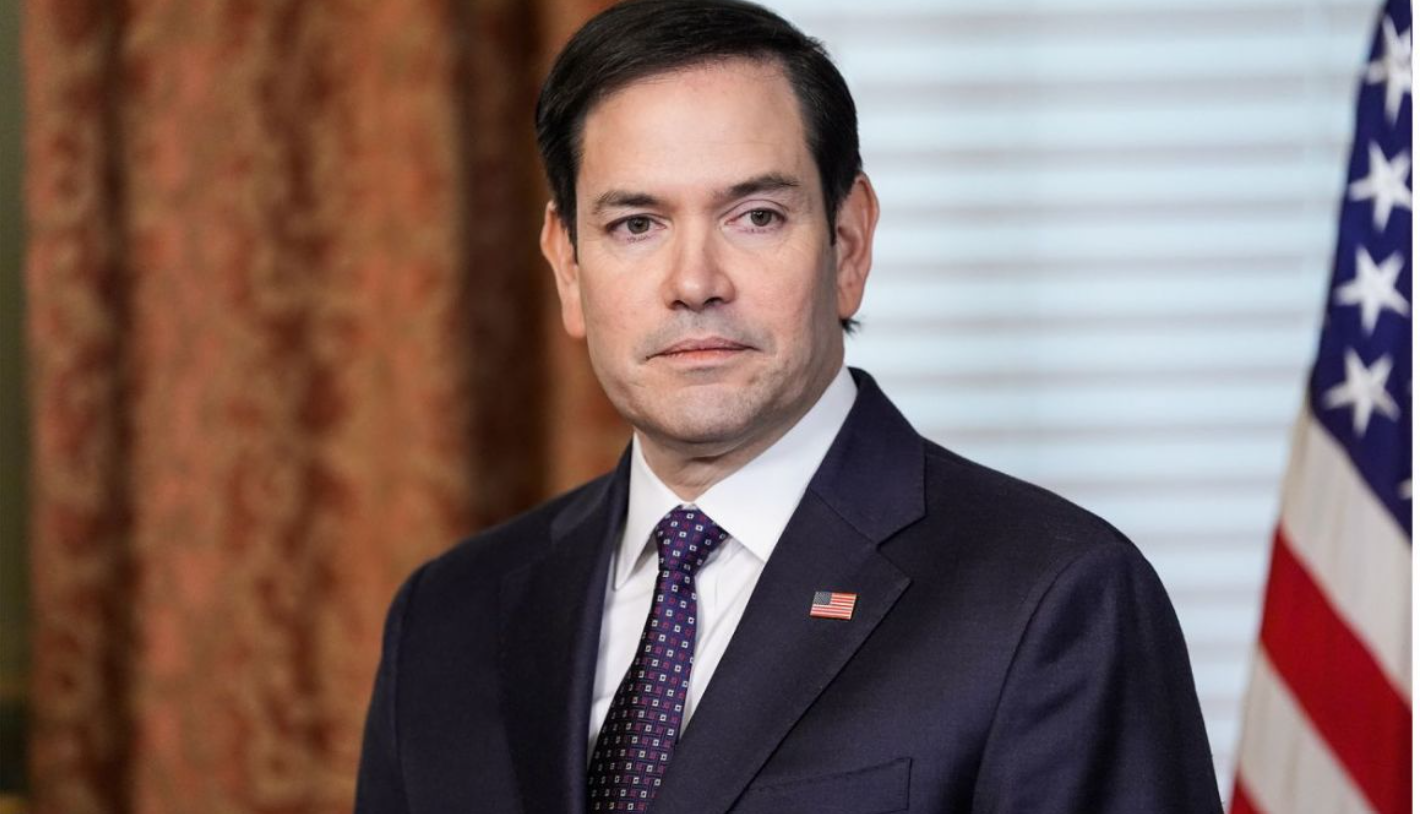

The United States has acknowledged the possibility that it may not be able to create conditions necessary to end the ongoing war in Ukraine. Secretary of State Marco Rubio stated that while Washington will continue pushing for peace, the reality on the ground suggests that the conflict could persist with devastating consequences.
“If peace is not going to be possible here and this is just going to continue on as a war, people will continue to die by the thousands. We may unfortunately wind up there, but we don’t want to wind up there,” Rubio emphasized during a recent interview.
Ongoing Diplomatic Push
European leaders are expected to accompany Ukrainian President Volodymyr Zelensky to Washington for critical talks. The visit comes after US President Donald Trump’s high-profile meeting with Russian President Vladimir Putin, which was aimed at exploring potential frameworks for peace.
Trump has been pressing Ukraine to accept a quick settlement, but officials warn that any deal would require difficult compromises on both sides.
“There are things that were discussed as part of this meeting that are potential for breakthroughs, that are potential for progress,” Rubio said, noting that security guarantees for Ukraine remain a central issue in negotiations.
Proposals on the Table
According to diplomatic sources, discussions have included controversial territorial proposals. Russia may consider relinquishing smaller pockets of occupied Ukrainian land, while Kyiv could be asked to cede fortified regions in the east. The proposal also includes the possibility of freezing front lines elsewhere to prevent further escalation.
While these ideas reflect attempts to break the stalemate, analysts caution that such concessions could weaken Ukraine’s sovereignty and embolden Moscow.
The Challenge of Compromise
Rubio underscored that for any peace deal to succeed, both Russia and Ukraine would have to make difficult compromises. This includes not only territorial considerations but also long-term security guarantees, political recognition, and frameworks to ensure stability in the region.
“Without meaningful concessions from both sides, no agreement can be sustained,” he added, highlighting the fragile nature of current diplomacy.
Broader Implications
The Ukraine conflict, which has dragged on for years, continues to reshape global geopolitics. Western nations remain divided on how far they should press Kyiv to negotiate, while Russia seeks to consolidate gains without conceding too much to Western-backed Ukraine.
For the United States, the challenge lies in balancing its role as a mediator while safeguarding Ukraine’s sovereignty and regional stability. With doubts emerging over the feasibility of peace, Washington faces the risk of being caught in a prolonged conflict that strains both resources and alliances.
The latest developments highlight the complexity of ending the Ukraine war through diplomacy. While negotiations between global leaders signal ongoing efforts to seek resolution, the deep-rooted differences between Kyiv and Moscow make a breakthrough uncertain.
As the US continues to push for peace, the risk of prolonged conflict looms large, with thousands of lives at stake and the potential for greater instability in Europe. For now, Secretary of State Marco Rubio’s caution underscores a sobering reality: peace may remain out of reach despite the world’s best diplomatic efforts.
