

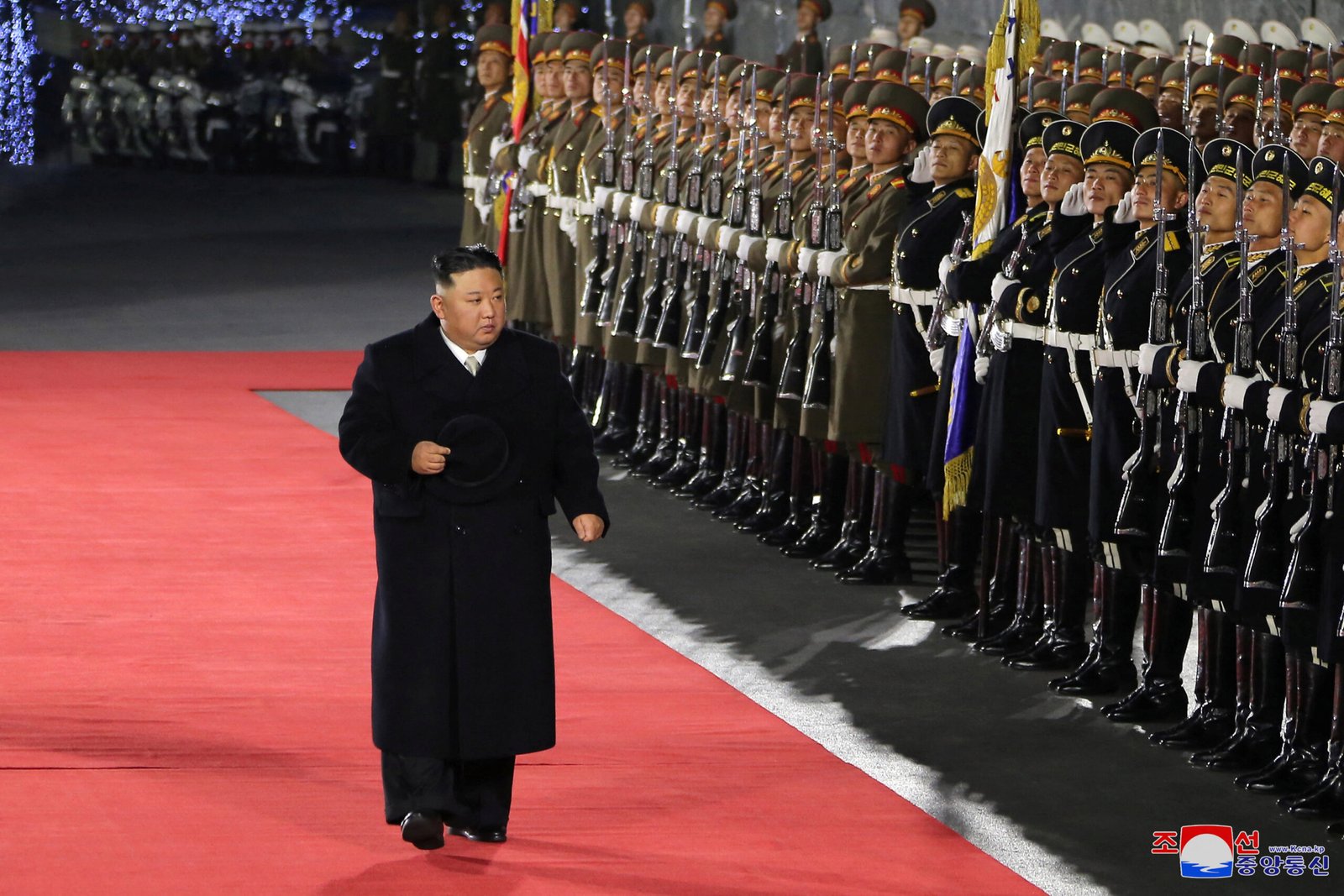

A recent U.S. airstrike targeting Iranian nuclear facilities using B-2 bombers has triggered concerns among East Asian analysts and regional policymakers, with fears that the move could prompt North Korea to escalate its nuclear weapons development.
Experts warn that the precision strike on Tehran’s atomic infrastructure may have repercussions beyond the Middle East. Professor Lim Eul-chul of Kyungnam University in South Korea noted that the attack could reinforce Pyongyang’s belief that nuclear weapons are its only effective deterrent against potential U.S. aggression.
“North Korea views this as a preemptive strike,” Professor Lim said. “It is likely to respond by accelerating its nuclear missile capabilities.”
He further cautioned about growing military cooperation between North Korea and Russia. Since the outbreak of the Ukraine conflict, bilateral ties have significantly strengthened. Reports suggest Pyongyang has dispatched over 14,000 troops and supplied millions of rounds of ammunition, rockets, and missiles to Moscow.
In exchange, Russia has reportedly provided North Korea with advanced military technologies, including air defense systems, electronic warfare tools, and upgraded missile platforms. This exchange not only enhances North Korea’s defense systems but also provides it with valuable combat experience, raising global security risks.
Victor Cha, a senior expert at the Center for Strategic and International Studies (CSIS), highlighted two significant takeaways for North Korea:
- The U.S. is unlikely to carry out a similar military strike on a nuclear-armed North Korea.
- Possessing nuclear weapons is now viewed by Pyongyang as an indispensable safeguard for its regime.
Analysts also pointed out a key difference between Iran and North Korea. While Iran had enriched uranium to advanced levels, it had yet to develop functional nuclear warheads. In contrast, North Korea is believed to possess between 40 to 50 nuclear warheads along with intercontinental ballistic missiles (ICBMs) capable of reaching the U.S. mainland.
Any U.S. military action against North Korea carries the risk of escalating into a full-scale nuclear conflict. Additionally, the mutual defense pact between Washington and Seoul mandates U.S. consultation with South Korea before launching any offensive, adding political and legal complexity.
North Korea also benefits from a defense agreement with Russia, which obligates Moscow to assist in the event of an attack.
Professor Lim concluded that rather than deterring proliferation, the U.S. strike may backfire by reinforcing North Korea’s distrust and pushing it closer to Russia. “This action will only deepen Pyongyang’s skepticism towards the U.S.,” he warned, “and may solidify its military alliance with Moscow.”
The situation raises pressing questions about the efficacy of America’s nuclear deterrence strategy—whether it truly curbs proliferation or drives adversaries to entrench their nuclear posture. In North Korea’s case, the risk appears to be intensifying as fallout from the Iran strike ripples outward.
