


Birthright Citizenship Order
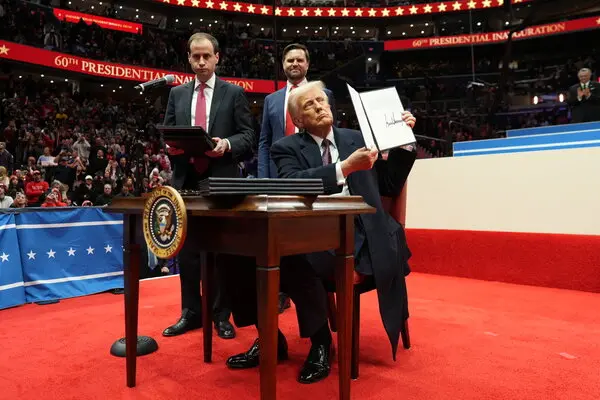
Twenty-two U.S. states have filed lawsuits to block President Donald Trump’s executive order seeking to end the longstanding practice of birthright citizenship.
This practice, rooted in the 14th Amendment, guarantees citizenship to individuals born on U.S. soil regardless of their parents’ immigration status. Trump’s executive order, issued late Monday, represents a fulfillment of a campaign promise but is expected to face significant legal challenges.
Democratic attorneys general and immigrant rights advocates argue that birthright citizenship is settled law and that no president has the authority to unilaterally change the Constitution.
New Jersey Attorney General Matt Platkin stated, “The president cannot, with a stroke of a pen, write the 14th Amendment out of existence, period.” Connecticut Attorney General William Tong, a birthright citizen himself, added, “The 14th Amendment says what it means, and it means what it says—if you are born on American soil, you are an American. Period.”
Trump’s order contends that children of non-citizens are not subject to U.S. jurisdiction and therefore should not automatically receive citizenship. The order excludes children whose parents lack legal status or who are in the U.S. temporarily.
It bars federal agencies from recognizing the citizenship of individuals in these categories, taking effect February 19. The order leaves unanswered questions about its retroactive application to existing birthright citizens.
The lawsuits, filed by 22 states, the District of Columbia, San Francisco, and immigrant rights groups, argue that the order is unconstitutional.
Plaintiffs include individuals like “Carmen,” a pregnant woman with no citizenship status who has lived in the U.S. for over 15 years. Her case highlights the potential harm to children denied citizenship, which the lawsuits describe as a “priceless treasure.”
Historically, the 14th Amendment did not guarantee citizenship for all U.S.-born individuals. Native Americans, for example, were not granted citizenship until 1924.
Legal scholars and immigrant rights groups argue that Trump’s order undermines decades of established legal precedent. They are urging federal courts to declare the order unconstitutional, emphasizing the profound impact it could have on families and communities across the nation.
