

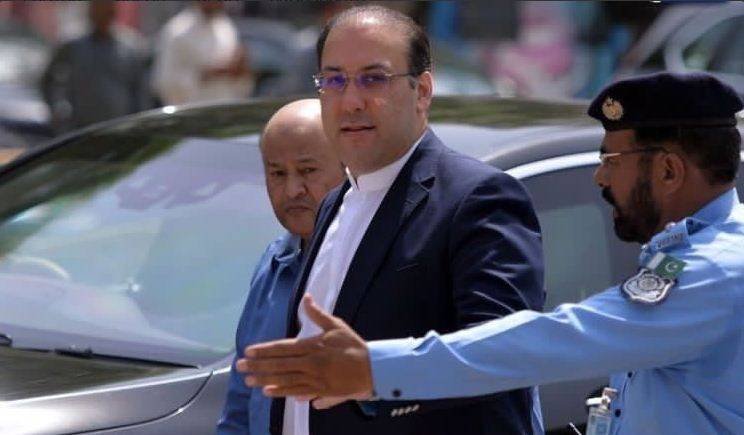

Hasan Nawaz Sharif, son of former Pakistani Prime Minister and PML-N President Nawaz Sharif, has officially been discharged from bankruptcy in the United Kingdom, according to government records. The release, dated April 29, 2025, restores his eligibility to serve as a company director and conduct business without restrictions.
The UK’s HM Revenue and Customs (HMRC) confirmed that no illegal activity or wrongdoing was associated with Hasan’s financial situation. A legal expert familiar with the matter stated, “Hasan Nawaz’s bankruptcy has concluded, and HMRC has found no evidence of criminal conduct. In such cases, bankruptcy discharge typically occurs after one year, unless authorities detect non-compliance, which can delay the process.”
In early 2025, HMRC had listed Hasan as a “deliberate tax defaulter” after he opted for bankruptcy rather than paying an outstanding tax demand of nearly £10 million. The amount related to the tax period between April 2015 and April 2016. Hasan disputed the claim, arguing he had already paid the required taxes and that the demand was issued years after the relevant tax period had passed.
The matter remained a civil dispute throughout and never escalated to a criminal proceeding. Hasan challenged HMRC’s tax demand in court, maintaining his position that the additional charges were unjustified.
Details of the bankruptcy were published late last year in the UK’s official public record, the Gazette. It noted that Hasan, residing at Flat 17, Avenfield House, 118 Park Lane, was declared bankrupt by the High Court of Justice under case number 694 of 2023, filed on August 25, 2023. The bankruptcy order was issued on April 29, 2024, following action initiated by creditors over non-payment.
Under UK law, an individual who is bankrupt cannot act as a company director or participate in company management unless specifically permitted by the court. With his discharge now in effect, Hasan is free to resume his business activities without legal hindrance.
A bankruptcy discharge legally frees an individual from the obligation to repay specific debts included in the bankruptcy case. Once granted, creditors can no longer pursue the discharged debts, and the individual is no longer liable for them.
