

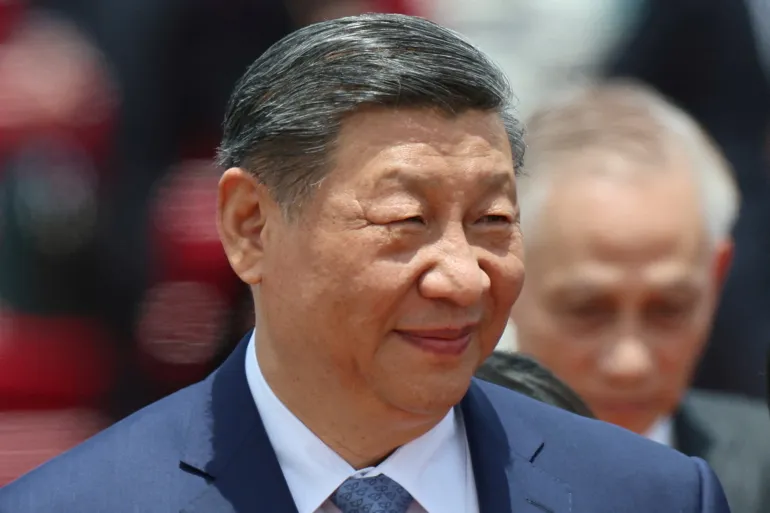

President Xi emphasized the detrimental effects of trade wars, stating that they “yield no winners” and that protectionism is not a viable solution. He advocates for the protection of the multilateral trading system, the stability of global production and supply chains, and the maintenance of an open and cooperative international environment.
China’s Economic Engagement with Southeast Asia
China’s economic relationship with Southeast Asia is robust, with China being the largest trade partner of the Association of Southeast Asian Nations (ASEAN) and individually for countries like Vietnam, Malaysia, and Cambodia. Vietnam, in particular, has seen a surge in imports from China, with a 30% increase to $144 billion in 2024. This highlights the deepening economic interdependence between China and its Southeast Asian neighbors.
The Impact of U.S. Tariffs
The backdrop to Xi’s visit is the complex trade environment shaped by U.S. policies. President Donald Trump has imposed a baseline tariff of 10% on numerous countries, including many in Asia, and additional tariffs of 25% on sectors like vehicles, steel, and aluminum. China’s exports have been subjected to a 145% tariff, significantly impacting its trade dynamics. In response, China has implemented tariffs of 125% on U.S. imports, underscoring the escalating trade tensions.
Xi’s Diplomatic Efforts in Southeast Asia
President Xi’s tour is strategically timed to reinforce China’s commitment to free trade and counteract the effects of U.S. tariffs. In Vietnam, Xi’s discussions are expected to result in numerous agreements, particularly in infrastructure development, such as potential investments in railway projects. These initiatives aim to enhance connectivity and economic integration within the region.
China’s Trade Position Amid Global Uncertainty
As Southeast Asian nations navigate the complexities of U.S.-China trade tensions, China’s role as a stable and reliable trade partner becomes increasingly significant. Xi’s tour serves to reassure these nations of China’s commitment to maintaining open trade relations and supporting regional economic stability. This approach contrasts with the unpredictability introduced by U.S. tariff policies, positioning China as a counterbalance to protectionist measures.
President Xi Jinping’s Southeast Asia tour underscores China’s dedication to fostering robust economic relationships and advocating for a multilateral trading system. In the face of U.S. protectionist policies, China’s proactive engagement in the region highlights its strategic intent to promote free trade and regional stability, reinforcing its position as a key player in the global economy.
