

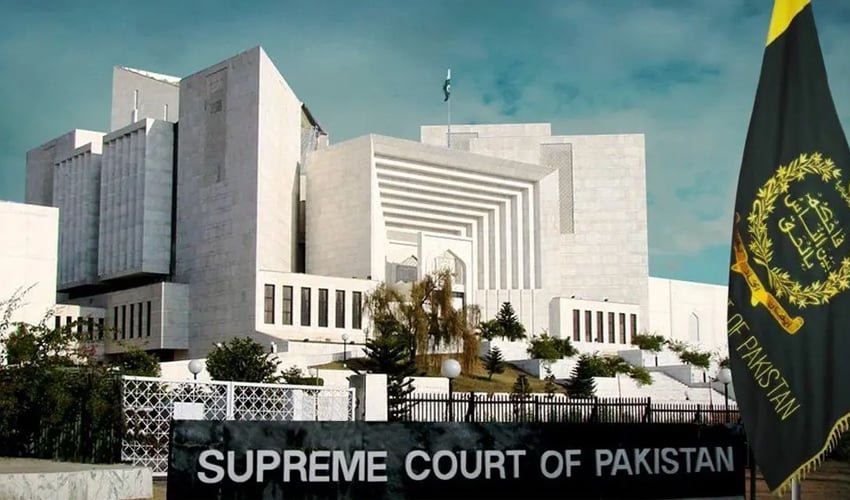

ISLAMABAD: The ruling coalition government’s amendments to the controversial Prevention of Electronic Crimes Act (PECA) were challenged in the Supreme Court on Tuesday.
“It is humbly requested in the national interest of peace and stability that both the amendment and the existing law be reviewed by a full court bench in light of the freedom of expression and the right to share opinions within our society,” the plea stated.
Petitioner Muhammad Qayum Khan has urged the Supreme Court to declare the amendments “ultra vires” to the constitutional powers of the legislature, arguing that they are “extremely repugnant” to human rights, fundamental rights, and the freedom of speech and expression.
The petition further calls for the immediate annulment of the amended law to prevent new legal challenges. It also seeks a constitutional review of the original PECA law, which was enacted by previous governments.
“We live in a global village where all human beings have equal rights. Targeting and silencing opponents through such laws is unacceptable and must be curtailed along with the existing PECA provisions,” the plea asserts.
The amendments were swiftly passed through both the National Assembly and Senate by the ruling coalition, drawing criticism from opposition parties, journalists, and media organizations for the lack of consultation and the law’s restrictive provisions.
The amended law, which took effect following President Asif Ali Zardari’s approval, introduces new definitions, establishes regulatory and investigative bodies, and enforces stricter penalties for disseminating “false” information.
Key changes include reducing the punishment for spreading “fake information” online to three years and imposing a fine of up to Rs2 million. The amendments also propose the creation of the Social Media Protection and Regulatory Authority (SMPRA), the National Cyber Crime Investigation Agency (NCCIA), and the Social Media Protection Tribunal.
Additionally, the law allows any person “aggrieved by fake and false information” to request the removal or blocking of such content. The authority must issue a decision within 24 hours of receiving a complaint.
